If you think about it, the financial services sector has gone through significant changes since horse-drawn wagons delivered money to banks. Long after that, in-person visits to your local branch gave way to online banking on devices, both mobile and at home. But a more recent event, the start of the pandemic in 2020, left its mark on financial services and their customers. The risks of e-banking have been a very real concern ever since bad actors switched from cracking safes to cracking online accounts instead.
The American Bankers Association released statistics for online banking since the start of the pandemic. Mobile apps used 44%, up from 33%; internet/online laptop or computer used 26%, up from 24%; walk-in bank used 10%, down from 21%; and ATMs at 8%, down from 11%.
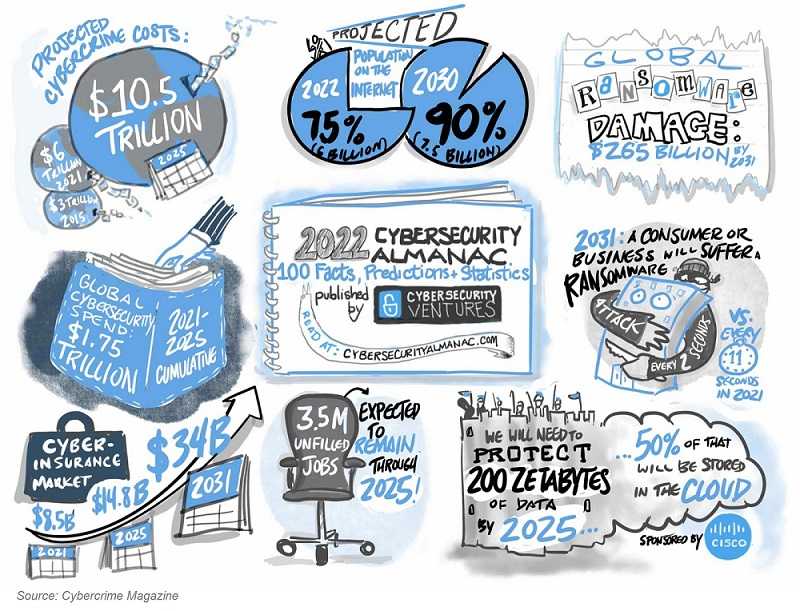
The beginning of the pandemic led those customers who, already skeptical of banking online, found themselves doing so. Opportunists quickly spotted this increase and began what became part of a historic level of hacking. According to PurpleSec, “Cybercrime as a whole has increased by 600% since the beginning of the global pandemic.”
2
Separating you from your money aside, there’s a solution that can help strengthen online banking safety. It’s a type of partnership between you and your financial institution, with both sides working to boost online security. Most financial institutions provide security for customer accounts.
They use anti-virus solutions, fraud monitoring, firewalls, and website encryption and other ways to keep your account safer from hacking. As for customers, keeping a close eye on one’s own online security goes a long way. While no single way is going to protect you 100%, there certainly are ways to help secure your own transactions:
 Check your financial institution's security. It should at least be industry-standard, and if not, consider another one.
- Use anti-virus software and always keep it up-to-date on both mobile and home devices.
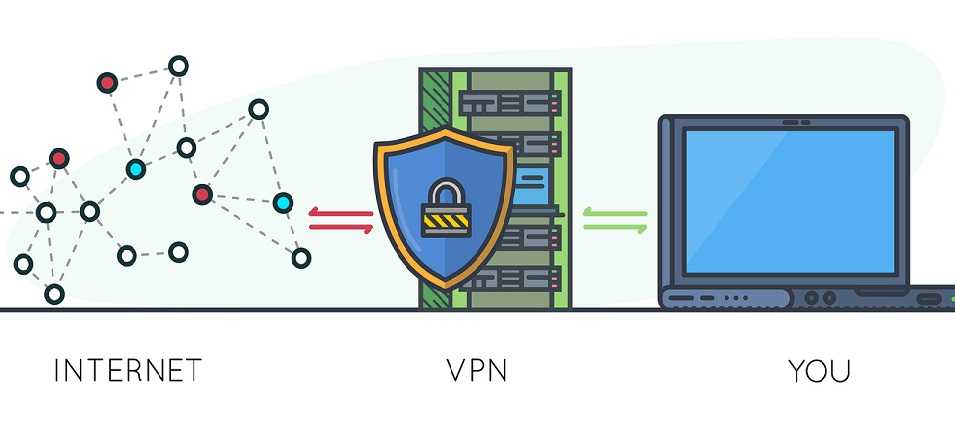
- Don’t use public Wi-Fi for financial transactions since hackers may sit on Wi-Fi to pluck their next victim. Consider using your cellular data, and better yet, use a VPN (Virtual Private Network) to send and receive transactions.
- Request account text alerts from your institution when certain transactions are performed. This way, any transactions, including withdrawals and purchases with your payment card, are immediately confirmed by text. It’s a great way to track your account and catch transactions you didn’t make.
- Use strong passwords and change them regularly. We don’t always know when a financial institution has been compromised, so don’t make it any easier for a hacker to enter your account.
For banks and credit unions
Share this article with your members
Copy a ready-made summary and link for your newsletter, website or social posts.