Today, shopping online for anything can be a financial risk. Marketplaces are rife with scammers looking to make a fast buck by pulling you into their web. Here’s what to know before your next marketplace purchase.
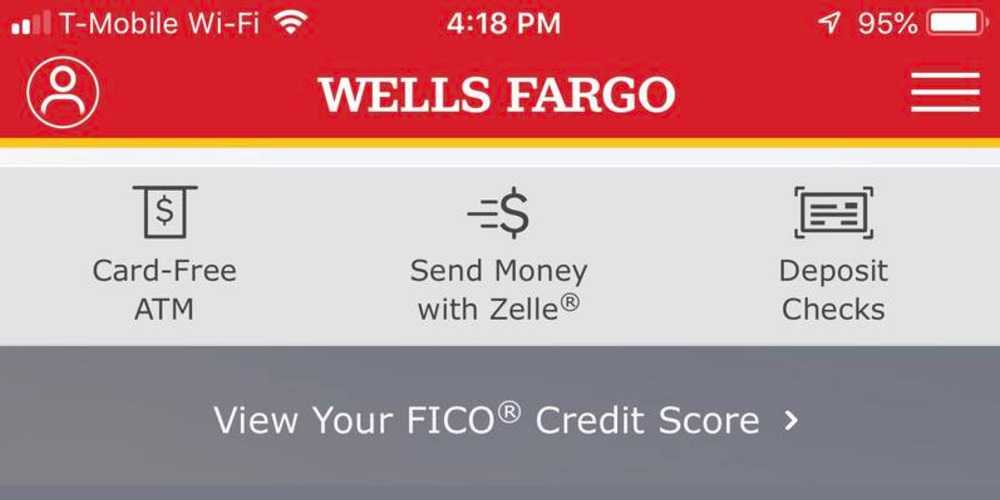
Any type of payment method can be scammed. Whether it’s using peer to peer (P2P) like Zelle, Venmo, and PayPal, gift cards and payment cards—anything to cheat you and profit themself.
2
An urgent posting by a seller, especially at a great price, is a scam alert. Acting fast on impulse is a phishing hook that’s easy to bite. Be aware some payment types are non-refundable, including P2Ps and gift cards.

If you’re selling on a marketplace, a scammer will make a purchase and then demand a refund. But beware, they’ll ask for the refund before they cancel the order.
2
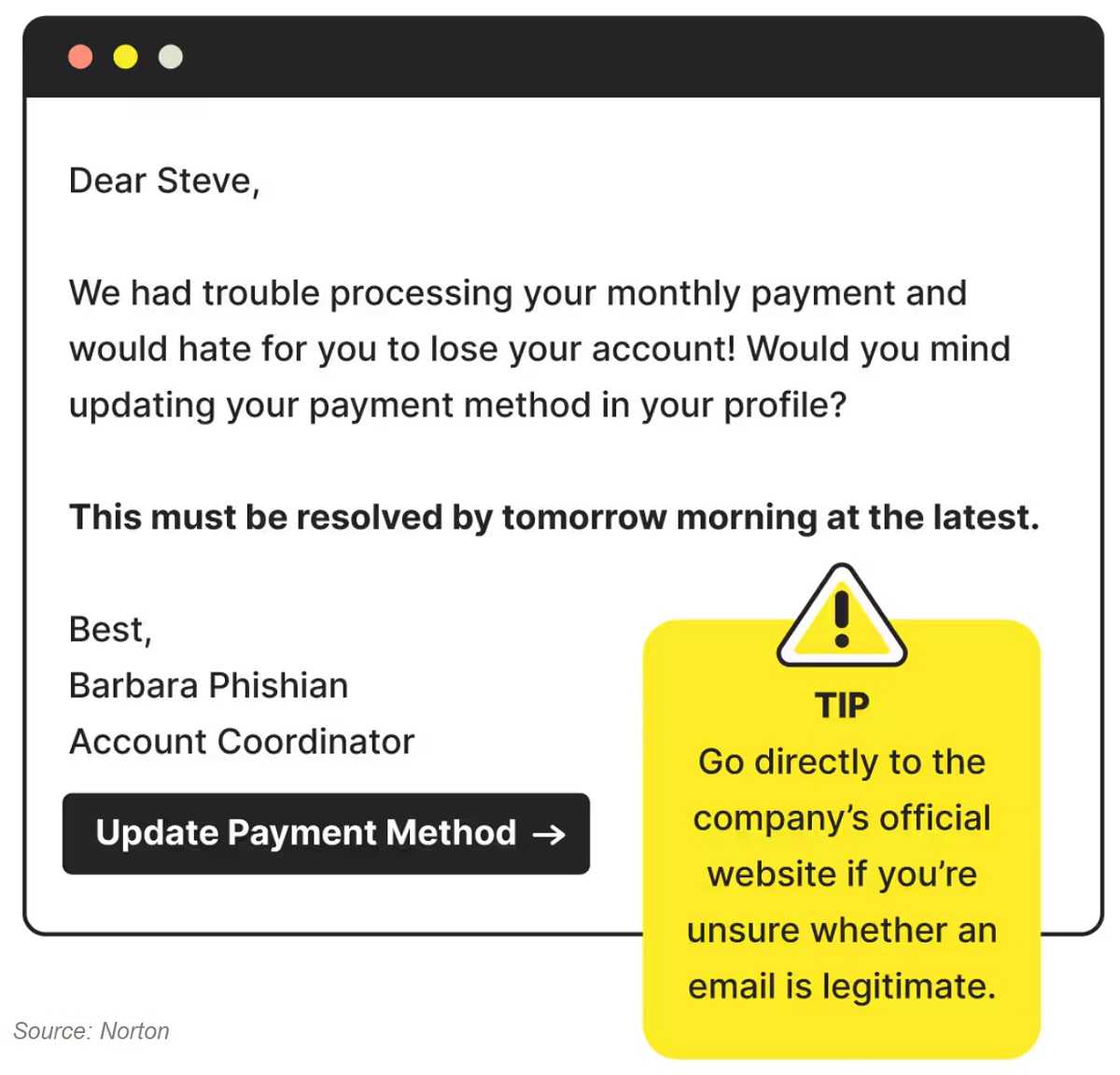
One trending scam involves an email from your P2P. It says the P2P needs an upgrade and no further transactions can be made until it’s done—and you have to pay for it. It’s important to remember P2P upgrades don’t exist. And you certainly shouldn’t have to pay for them.
Carefully check any email from your P2P even though it looks official. For example, emails from Zelle only use the domain extension “@Zellepay.com” or “@Zelle.com.” Any other extension like “@gmail.com” is a scammer’s email calling card. Even a Zelle logo in the email doesn’t mean it’s legitimate.
2
- Report any suspicious marketplace sellers to the platform.

- Scammers use urgency to get you to act fast, so take your time and think it through before acting.
- If you’ve already made a payment, contact your bank’s payment card directly or the official website.
- With an email from your P2P, check the domain extension and expand the “To” and “From” address, and never click on links or open attachments.
- Report suspicious emails to your email provider.
Like with other cybercrimes today, shopping safely online takes cyber-smarts and a good dose of common sense—so take your time and remember to use them.
For banks and credit unions
Share this article with your members
Copy a ready-made summary and link for your newsletter, website or social posts.