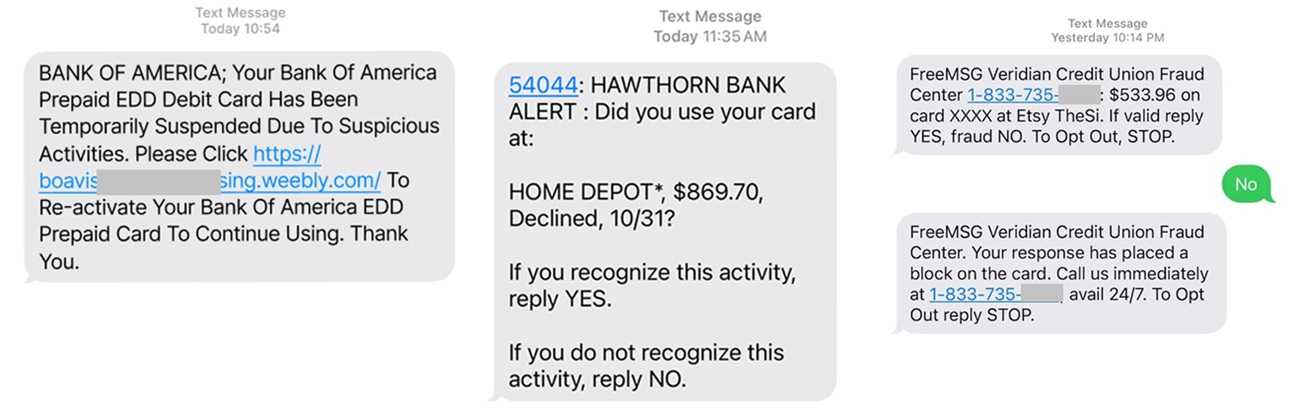
Cyber crooks are cranking up the heat in the digital world with a tidal wave of phishing scams. These impersonate financial institutions, according to a cybersecurity report from AhnLab. It reported that text-message attacks with the cybercriminals posing as financial institutions surged an eye-popping 343.6% between October and December of 2025, making them the most common type of phishing texts detected in that period.
These schemes cloak themselves in familiar language like “card issuance completed” or bogus “transaction alerts,” nudging victims to click on deceptive links or call fake customer service numbers. Once hooked, users risk exposing login credentials, personal data, and even one-time passcodes to fraudsters. Bottom line—bad actors are using urgency and fear to reel in clicks.
Even more alarming, the data also shows that financial impersonation now accounts for almost half of all reported phishing texts, dwarfing scams that spoof government agencies, job offers, delivery notices, and even messaging platforms. Almost every lure includes a URL designed to whisk victims away to a convincing but fraudulent site. But that doesn’t surprise anyone.
Experts warn that as phishing evolves, attackers are playing psychological tricks, not using sophisticated technologies. The simple act of clicking can deliver credentials straight into scammers’ hands.
Cybersecurity professionals still urge mobile users to treat unexpected texts with skepticism, avoid clicking on links from unknown senders, and rely on official apps or direct contact with banks to verify anything that feels off. Replying to a suspicious text or email likely will send you right back to the attackers.
For banks and credit unions
Share this article with your members
Copy a ready-made summary and link for your newsletter, website or social posts.