It’s that time every four years where a big chunk of the world is glued to their TVs watching World Cup action. Whenever the FIFA World Cup takes center stage, scammers may also be catching the soccer action, but they don’t stop working. The global excitement surrounding the tournament creates the perfect opportunity for cybercriminals to prey on eager fans looking for tickets, travel deals, and ways to watch the action.
One of the most common scams involves fake ticket sales. With the high price of tickets to the games this time, criminals are keeping busy. Criminals create convincing websites, social media posts, and online advertisements offering hard-to-find tickets at attractive prices. While official ticket prices can indeed run into the thousands, victims often pay thousands of dollars only to receive counterfeit tickets or nothing at all.
Travel-related scams are also common. Fraudsters advertise discounted airfare, hotel packages, and tournament experiences that appear legitimate. After payment is made, the seller disappears or the reservations turn out to be fake.
Streaming scams become especially popular during major matches. Fans searching for free broadcasts may encounter websites that require registration, payment information, or software downloads. And those annoying ad popups that often turn out to be aggressive adware! These sites often collect personal information, install malware, or steal credit card details.
Phishing attacks also increase during major sporting events. Emails and text messages may claim to offer exclusive tickets, prize giveaways, merchandise discounts, or tournament updates. Clicking links can lead to fake websites designed to harvest passwords and financial information.
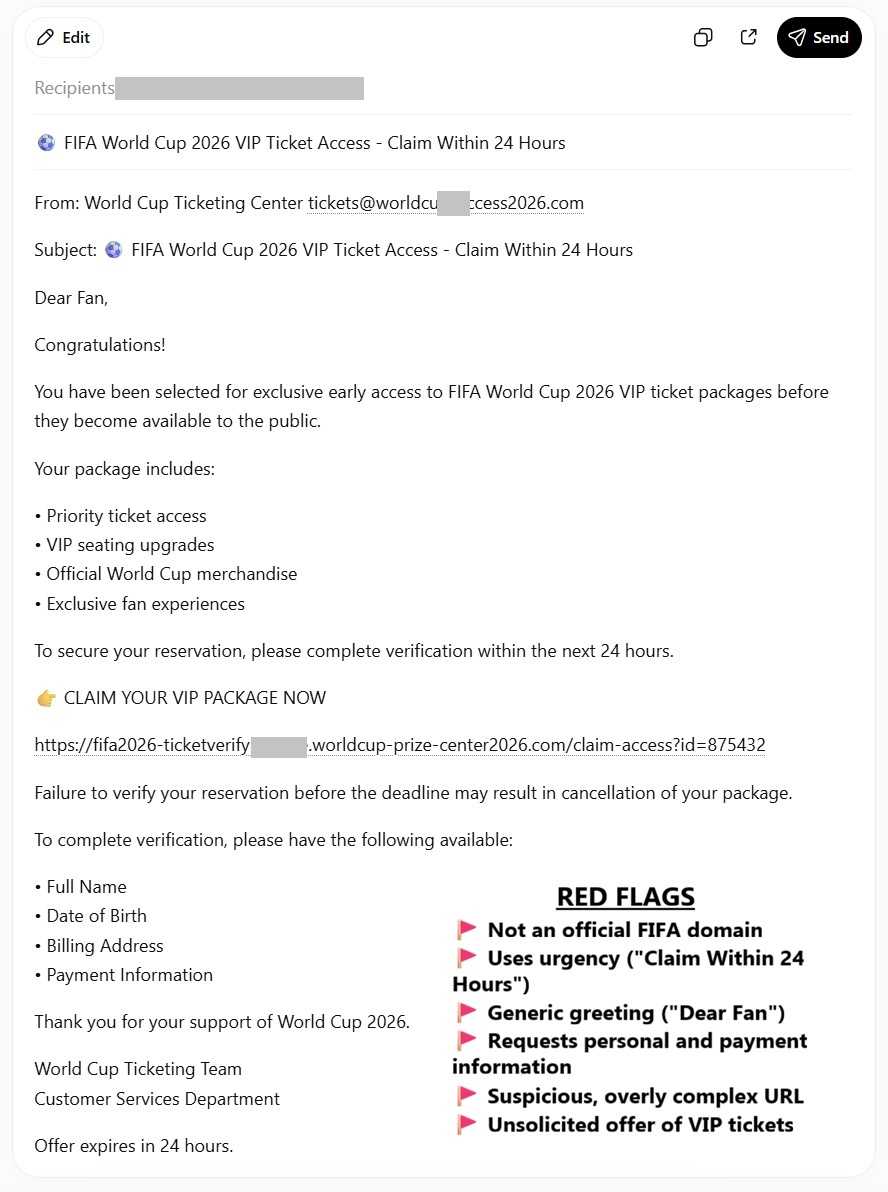
Shopping for a jersey? Fake merchandise sellers don’t stop. Look for websites that sell legitimate and official merchandise. Consider visiting a local retailer to buy swag.
To stay safe, purchase tickets only through official-approved channels and trusted vendors. Verify travel bookings directly with airlines and hotels before making payments. Avoid downloading software from streaming websites and be skeptical of unsolicited emails or text messages promoting World Cup offers. Whenever possible, use credit cards for purchases and enable multi-factor authentication on all accounts whenever it’s available.
And with the excitement already with the games, the World Cup should be remembered for those spectacular goals and unforgettable moments, not stolen identities and empty bank accounts.

 SUBSCRIBE TO WEEKLY NEWSLETTER






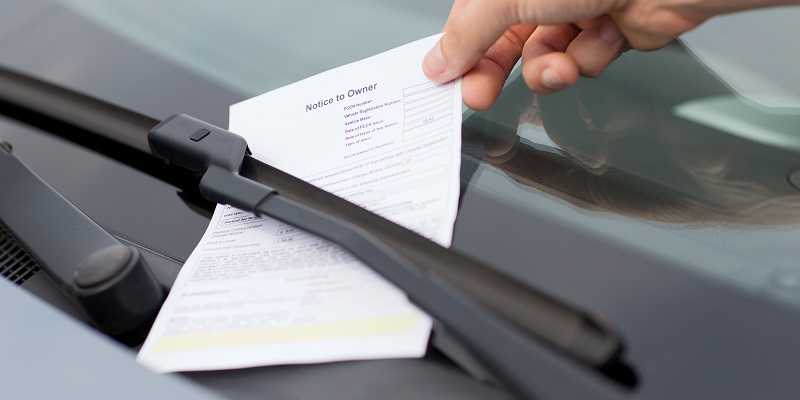
 Unexpected Tickets Parked on Windshields Steal Your Money