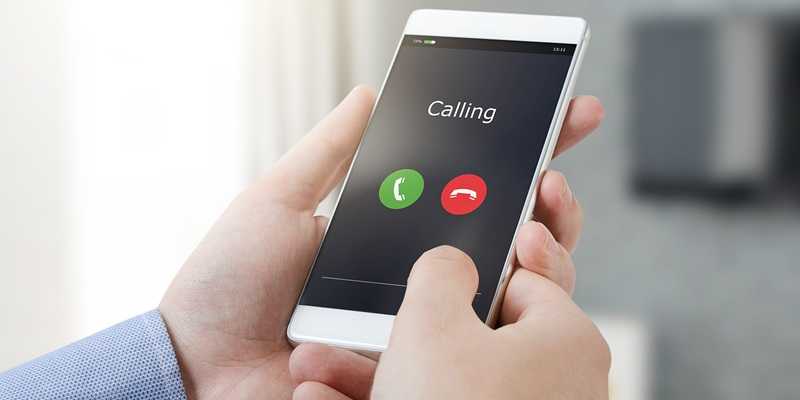
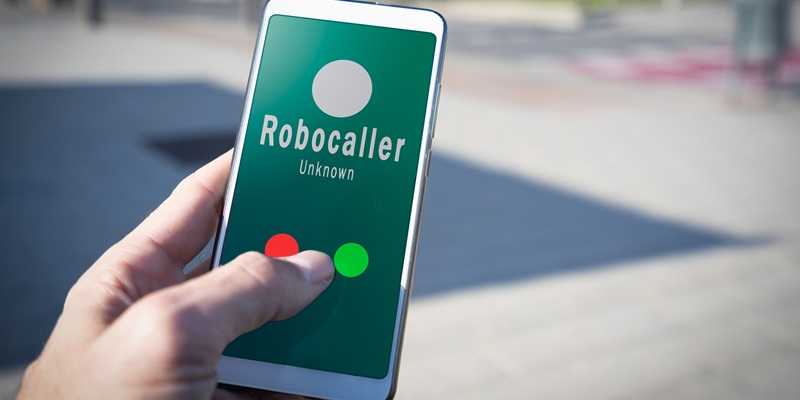
You’re at your desk, your phone lights up, and the number looks almost like your own. That’s no accident. Scammers use a technique called neighbor spoofing, which makes incoming calls appear as though they’re coming from a local number. The goal is simple: to get you to pick up. It’s becoming more common as time goes on.
A modern twist on robocalls
Thanks to internet-based calling technology, scammers can make a call look like it’s coming from just about anywhere. Even your own number isn’t off limits. Most common these days is to use a number with the same area code. Of course, the “logic” is that if it’s in the area, it must be a legitimate call, right? However, once you answer, the pitch begins.
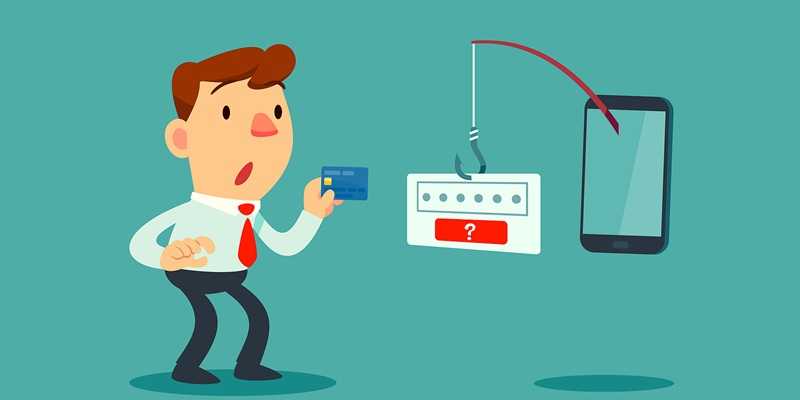
These days it’s less about “free vacations” and more about urgent warnings, like, “Suspicious activity detected on your bank account,” “Your Amazon or PayPal account has been locked, “A package delivery issue needs immediate attention,” or a personal favorite, “Mom, I lost my phone.”
Some calls even claim to be from government agencies, using scare tactics to pressure you into acting fast.
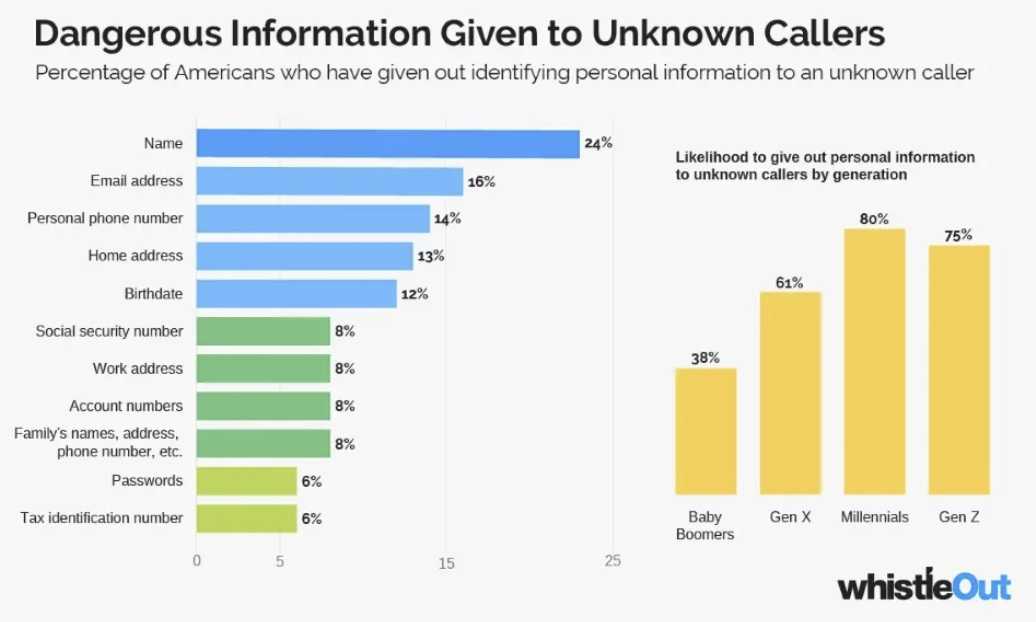
Why answering…or not answering matters
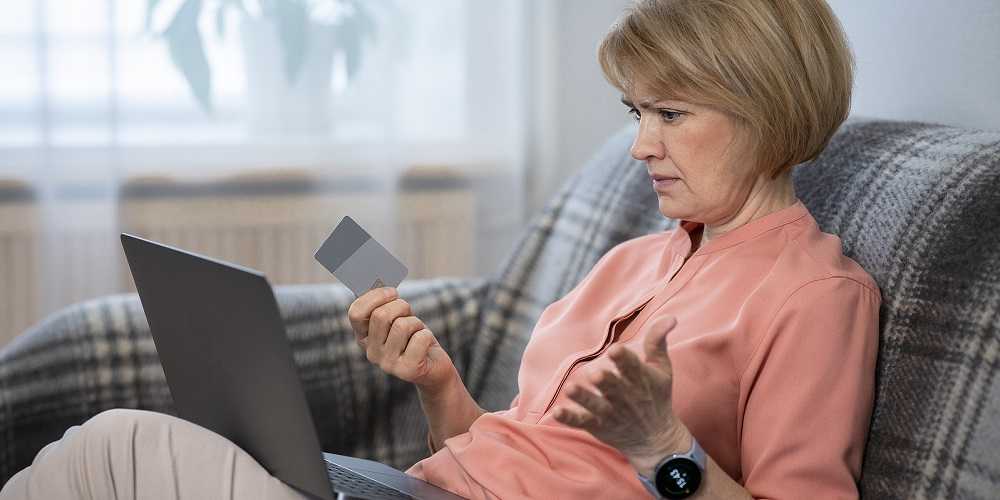
The moment you pick up, you’ve confirmed your number is active. That can lead to even more calls. Scammers count on curiosity. If you answer, you’re more likely to listen. And if you listen, you’re more likely to be pressured into sharing information or making a payment.
The best defense is also the simplest.
- Don’t answer calls from numbers you don’t recognize.
- Let unknown calls go to voicemail. Hang up immediately if it sounds suspicious.
- Never press buttons or follow prompts on robocalls.
When in doubt, check it out
If a call claims to be from your bank, a delivery service, or a government agency, don’t trust the caller ID. Instead, contact the organization directly using an official number that you find on your own.
Don’t let “local” fool you. Just because a number looks familiar doesn’t mean it is. A healthy dose of skepticism can keep these calls from turning into costly mistakes.

 SUBSCRIBE TO WEEKLY NEWSLETTER