It’s Healthcare Open Enrollment Season. Don’t Sign Up With a Scammer
By: Jim Stickley and Tina Davis
October 12, 2026
Open enrollment is nearly here for some and almost here for everyone else. This means millions of people are comparing healthcare plans, checking prices, and trying to figure out what coverage makes the most sense for the coming year. Whether you’re reviewing Medicare options or browsing Affordable Care Act (ACA) plans, you’ve got until mid-December to lock in your choices. But while you’re doing your homework, cybercriminals are doing theirs — and they’re already flooding inboxes, texts, and phone lines with scams designed to steal your personal and financial information.
This time of year, scammers step up their game with everything from fake enrollment websites to smooth-talking callers posing as “helpful” agents. Some messages are blasted out in bulk, while others look surprisingly personalized. The goal is always the same: get you to hand over Social Security numbers, insurance details, or banking information under the guise of helping you choose a plan.
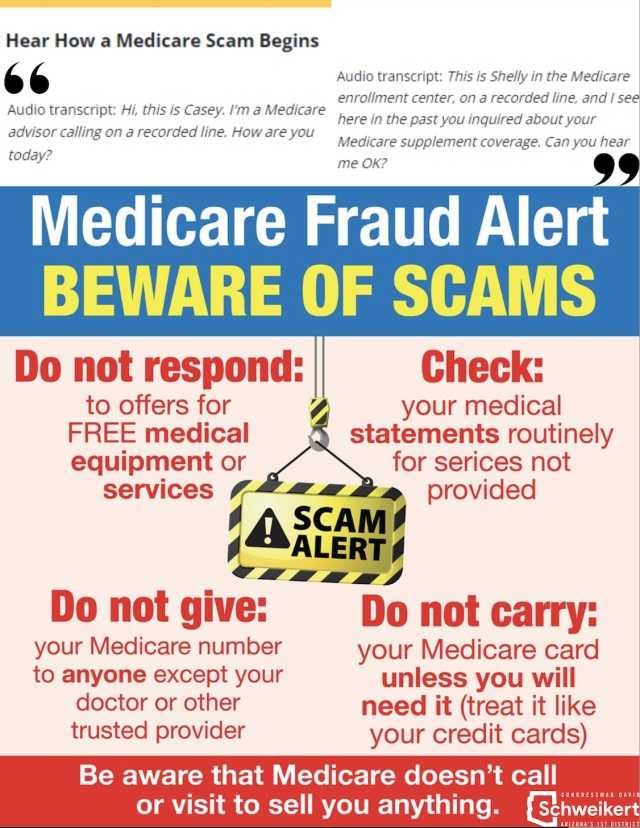
The Federal Trade Commission (FTC) warns consumers to stay alert and offers the following reminders to help sidestep enrollment-season traps:
- There is no such thing as an “official Medicare agent.” Anyone using that title is trying to deceive you.
- Medicare Part D, the prescription plan, is voluntary. If someone claims you must enroll to keep benefits, they’re not being honest.
- Medicare will never call you out of the blue to “confirm your information.” If you didn’t initiate the call using a verified number, hang up — it’s likely a scam.
- For real Medicare information, start at Medicare.gov.
- For ACA coverage, the only legitimate federal site is Healthcare.gov. Many states have their own exchanges, and you can find the official ones through the federal site.
- Buying private insurance? Check your state insurance commissioner’s website to verify licensed sellers.
- Whatever you do, don’t click ads on social media to shop for these plans. There’s a pretty good chance they’re scams.
If you come across a suspicious call, message, or website during open enrollment, report it. Send Medicare-related scams to Medicare.gov and all others to the FTC. The more information they have, the faster they can shut down these schemes.
Stay sharp, stay informed, and don’t let scammers choose your healthcare plan for you.

 SUBSCRIBE TO WEEKLY NEWSLETTER








 Medicare Phone Scams Circulating Now