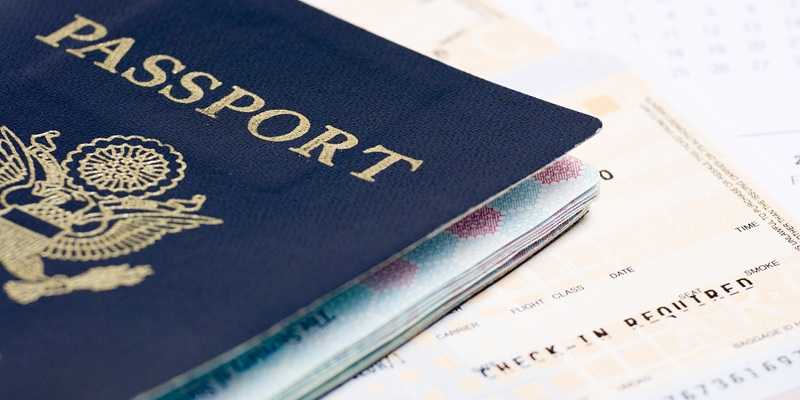
Planning an international vacation soon? Before packing your bags, make sure your passport is valid, not only for your return, but in some cases, it needs to be valid for six months beyond your departure from your international paradise. If it needs to be renewed before you take off, be careful where you begin the process.
Unfortunately, scammers know travelers are often in a hurry and/or anxious to get their passports returned and they use those facts to their advantage. Fake passport renewal websites, fraudulent expedited processing services, phishing emails, and identity theft schemes are all targeting people trying to prepare for international trips.
Scammers are increasingly targeting travelers with fake passport renewal websites designed to look like official government pages. Many of these sites appear near the top of search results and use patriotic imagery, official-looking seals, and convincing language to trick visitors into believing they are legitimate. But just because you get a patriotic feeling when landing on one of these websites, it doesn’t mean they’re looking out for you. Inflated fees, completely fake websites, data and identity theft are rampant. Do you need it back in a flash? There are websites claiming to expedite it for you too, but they really just expedite the flight of your cash.
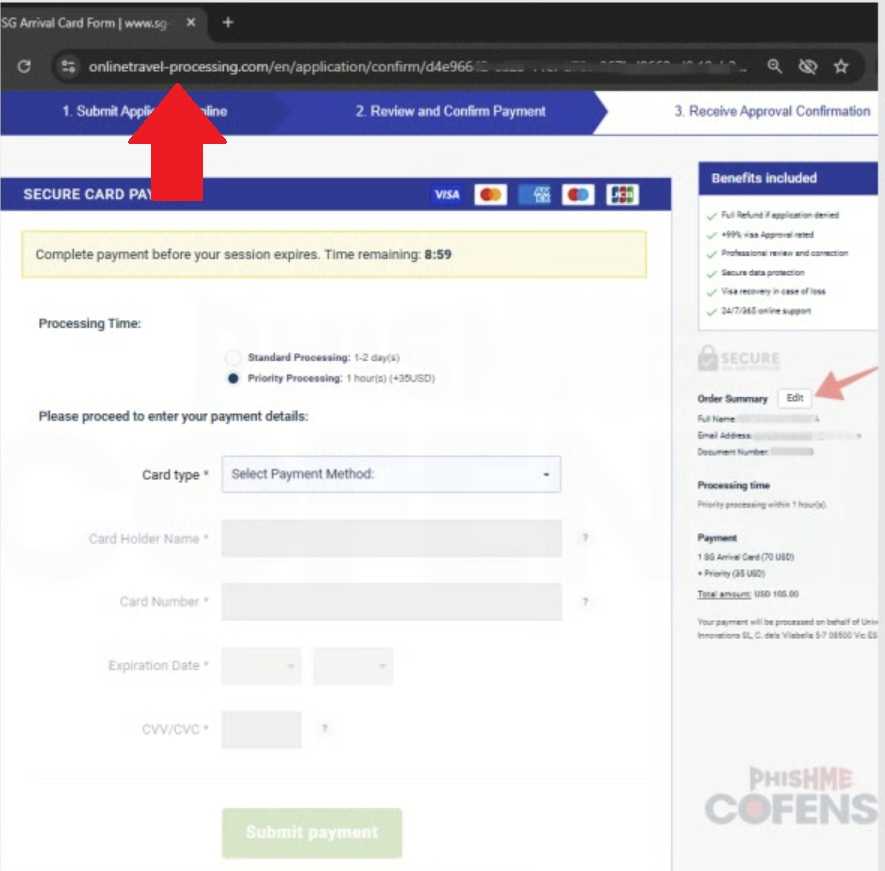
Even more frustrating, in some cases, victims pay inflated fees only to receive a downloadable form that is available for free through official government channels. In more serious cases, scammers collect sensitive information such as Social Security numbers, passport details, dates of birth, addresses, and payment card information that can later be used for identity theft.
Fraudsters also send phishing emails and text messages claiming there is a problem with a passport application or offering expedited processing for an additional fee. These messages often create a false sense of urgency to encourage quick action.
To avoid becoming a victim, always start the renewal process through the official U.S. Department of State website. Actual government websites end in .gov almost all of the time. If the site you're on doesn’t end in that, it’s potentially not legitimate.
Be cautious of websites ending in .com that claim to be official passport services. Remember that passport forms are free, and government appointments are not sold through third parties.
Before entering personal information, verify the website address carefully. Avoid clicking links in unsolicited emails or text messages, and never pay extra fees to companies promising guaranteed faster processing.
A little planning and caution today can help ensure your holiday memories are filled with sightseeing and adventure instead of fraud reports, empty banking accounts, and identity theft headaches.

 SUBSCRIBE TO WEEKLY NEWSLETTER