


In 2014, the Federal Communications Commission (FCC) received over 215,000 complaints regarding unwanted calls. Many, if not the vast majority of these were marketing and robocalls. Some were related to general advertising and others were from collection agencies. In response, the FCC adopted a proposal to help protect all consumers against these unwanted calls, as well as texts.
Going forward, companies that repeatedly contact consumers after they have opted out open themselves up to legal action by the consumer. This includes financial institutions and healthcare companies. However, the latter two types of organizations received an exception for certain types of contact. These include messages regarding potential fraud for the financial organizations and important medication refills for the healthcare companies. The FCC stated that “free calls or texts to alert consumers to possible fraud on their bank accounts or remind them of important medication refills, among other financial alerts or healthcare messages, are allowed without prior written consent.” Specifically excluded are marketing or debt-collection calls, except under very specific circumstances.
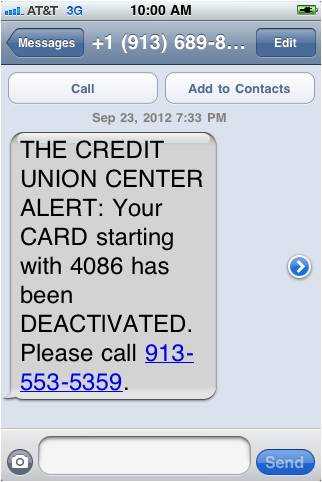 This move is considered positive for consumers in that it will allow them to react to possible fraud or healthcare issues faster and lower losses for all involved. However, there are some concerns.
One issue analyst are pointing out is that under current guidelines, customers know that unsolicited contact from banks, credit unions or healthcare providers is likely a scam. Under the new rulings, it will be more difficult to detect real messages from the fake ones. Banking and healthcare fraud are currently some of the top phone and text scams.
Since there are still some questions regarding this issue, it’s better to assume that texts and phone messages and calls initiated from any organization asking for sensitive or private details are potential fraud. Return calls by using a number retrieved from the company’s website, back of your credit card or one previously stored. Confirm legitimacy of any text messages, emails, or phone calls. It’s unlikely that these organizations will put links or attachments in these, so don’t click or open those either. Instead, go to your accounts separately and check details or communicate with the companies. Don’t return calls to numbers in the messages. Often times, these just direct you back to the scammers. And always keep your current contact details updated with your healthcare organizations and FIs. Since there has been a great deal of data breaches in the past two years, scammers may have some of your personal information already; making them that much more convincing.
It’s always a worthwhile use of time to learn how to spot phishing email messages as well, if you haven’t already. More information on how to do that can be found below.
For banks and credit unions
Share this article with your members
Copy a ready-made summary and link for your newsletter, website or social posts.




