If you hadn’t heard, the Internal Revenue Service (IRS) was breached a few months ago. At the time, it was reported that somewhere between 114,000 and 200,000 accounts were accessed via vulnerabilities in its Get Transcript system. After further investigation, it is announcing that it may actually have affected more than 334,000.
 What can the hackers do with the information? Besides steal identities, since social security numbers were stolen, the criminals can use the information to file fraudulent returns in the victims’ names in the future. This is a great reason, whether or not you were a victim in this, to file tax returns early. The earlier you do it, the less opportunity someone else can pretend to be you and get your tax return first.
As part of the investigation, the IRS uncovered that the additional records were accessed and that another 117,000 “suspicious attempts” failed trying to get past the automated authentication process.
The agency previously stated that unauthorized third parties had gained enough information from a source outside of the agency to answer the security verification questions that is used to authenticate users. These are typically knowledge-based questions and the answers may be information that can be determined by reading social media profiles. For example, one common question is “city in which you were born.”

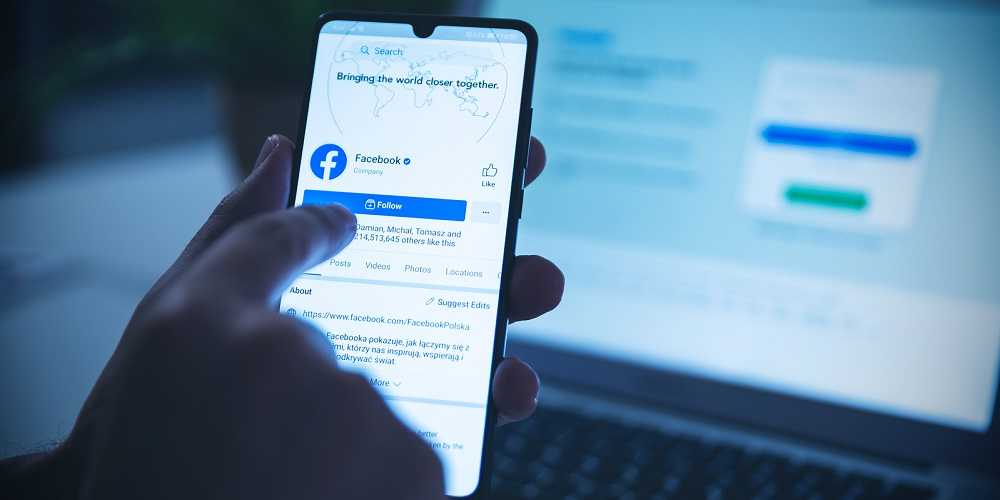
This is one reason to use caution when posting information to sites such as Facebook, Twitter, LinkedIn, or Instagram. A lot of information can be gained from these sites, so consider how the information in all of these posts can be used by an identity thief. Also, avoid using such information when setting up security questions for multi-step authentication. Consider choosing questions that cannot be found out any other way or making it up completely.
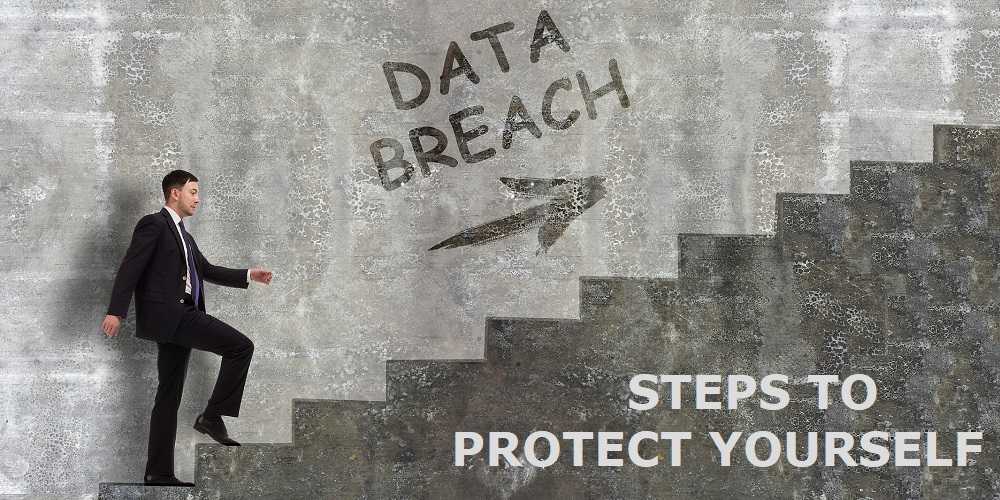
The criminals who stole this information now have an incredible amount of information about you. It is very important that you do all you can to safeguard your identity. Here are some steps you can take to protect yourself:
- Accept credit monitoring services immediately
- Call one of the credit bureaus and put a "Fraud Watch" on your SSN. You only need to call one because by law they are required to contact the other two to ensure they also set up a fraud watch on your behalf. It is free, but only lasts for 90 days, so set a reminder to have it refreshed
- Get a free credit report every 4 months. Each credit bureau is required to provide a free credit report once a year. So stagger each of the three so you can spot any fraud. Visit annualcreditreport.com to get started
- Watch for phishing scams; emails designed to look like they are from Anthem that attempt to get you to click on a link, download a file or enter login credentials. The criminals will attempt to deliver malware that can have a number of different effects. Online banking malware is growing faster than any other and this will help a criminal gain access to your financial accounts
- Watch for a noticeable increase in credit card offers. If someone attempts to get a credit card in your name, that information is picked up by all the credit card companies and they will send you offers
 Beware of phishing and phone scams. Criminals have more than enough information about the effected people to be very convincing. Safe bet is to not click on any email link or open any attachment to prevent online banking malware from draining your accounts
The IRS questions are based on information gathered by the agency that is available both publicly and privately. It can be retrieved from marketing data, credit reports, and transaction histories. So, it isn’t all that difficult anymore for someone to find out a taxpayer’s mother’s maiden name.
The IRS will be sending out notices to those whose accounts were accessed in this incident. It will also mail letters to those whose records it does not believe were accessed, but were part of the failed authentication attempts.
For banks and credit unions
Share this article with your members
Copy a ready-made summary and link for your newsletter, website or social posts.