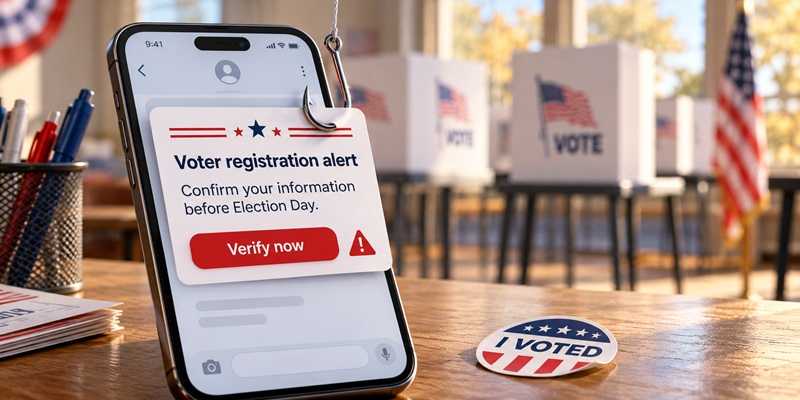
The IRS was recently hit by hackers, compromising personal information for hundreds of thousands of taxpayers. It’s not the first time the IRS has been used to illegally obtain sensitive data from unknowing consumers. One effective scam, Impersonating IRS agents, is gaining in popularity among cybercriminals because it works so well.
Typically, contact is initiated through phone calls, texts and emails. This attempt also relies heavily on the element of fear. Contact, no matter how it’s done, preys on worries of the individual. It’s not unusual for the intended victim to hear they face jail time if they don’t pay up immediately. Those who aren’t legal citizens are popular targets, being told they need to fill out “legitimate” tax forms. These forms are altered by scammers, requiring sensitive information the real IRS forms don’t ask for.
 It’s scary and it’s illegal, but it’s also preventable. Listed below are safeguards one can use to deter or completely avoid letting IRS impersonators from being successful.
- The IRS uses only the U.S. mail to make initial contact. Phone calls, texts, faxes, and emails are used only after first contact is made by legitimate IRS agents?
- Ask for the agents contact information. Name, ID number, and perhaps most importantly their phone number. Immediately hang up and call the number. It’s an easy and proven way to ferret-out scammers.
- Do not provide credit card numbers, purchase pre-paid debit cards, or wire money. IRS agents would never ask for wire transfers or pre-paid cards.
- Don’t give in to pressure to act immediately. Scammers rely on not giving you time to think. If someone is telling you that you’ll be arrested if you don’t pay right away, or other punishments will happen within moments if you don’t comply, think twice. Even if you know you may owe taxes, the IRS gives people time to think and correspond with them before acting. Nothing is immediate.
Call and contact the IRS and other agencies without hesitation regarding your experience and concerns. Visit the IRS website for more details and avenues for action. If the IRS is a government agency you dread hearing from, IRS impostors pose an even bigger nightmare. The best defense against them is education about the scam, and vigilance guarding against it.
For banks and credit unions
Share this article with your members
Copy a ready-made summary and link for your newsletter, website or social posts.