Go ahead and admit it. You were just wondering what are the top scams at this time? Thankfully, we have a list.
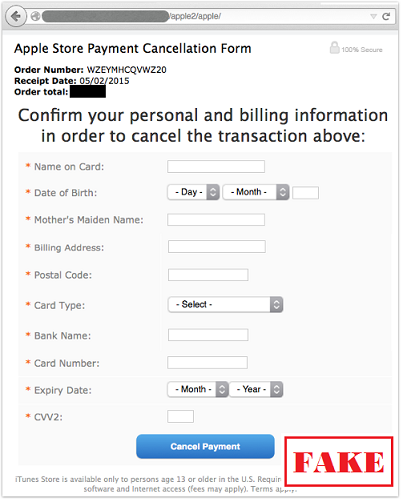 Apple Store Payment: This is a simple scam these days as the number of people transacting with Apple is immense. Because people are so accustom to these transactions, they may not look twice when this scam hits their email. To avoid all financial institution or transaction scams including Apple Store, never respond to any email asking for personal or financial information. Instead, log directly into the account from your phone app or web browser. This will ensure that if your account does have an issue or needs your attention, you are working with the good guys.
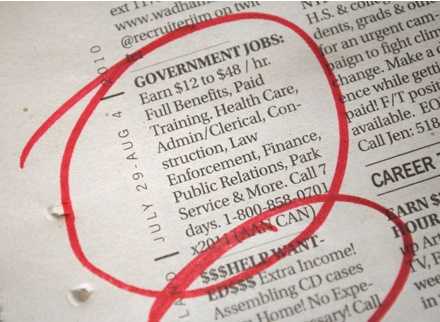 Job scams: They’re in the classified sections wherever classifieds may be found. They say no experience required, start right now, it’s full time, and the pay is great! Sounds too good to be true, right? It is. The scam comes when they ask for a “training fee” and/or your social security number. Trust your senses and walk away from these.
Recover your unclaimed property: Scammers will graciously help you recover property or funds, even when you didn’t know you were owed any. Of course they charge a fee and of course, after you pay it you will never see your missing property or funds.
Human Resources needs your information for direct deposit setup: The email is fake and once the information is provided, your direct deposit no longer is in your account. Verify any emails asking for this information by phone, separate email, or by talking to the HR rep in person. It is extremely unlikely that any legitimate company or service will ever ask for this information via email.
 Pet Adoptions: Online is a photo and sob story about a pet that really needs a good home. Once you pay for the adoption fee, shots, and crating for travel, you have less cash and no pet. Consider staying local for pet adoptions and pick up the pet in person.
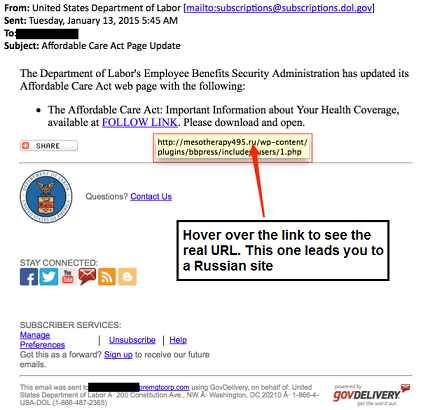
Healthcare Open Enrollment: This has gotten even more confusing lately with the implementation of the Affordable Care Act (ACA or commonly referred to as Obamacare). Scammers will pretend to offer their services to help you wade through the complicated processes for a fee. However, once you pay it, you are still confused and likely still don’t have healthcare. Seek out authorized representatives to help you navigate this process.
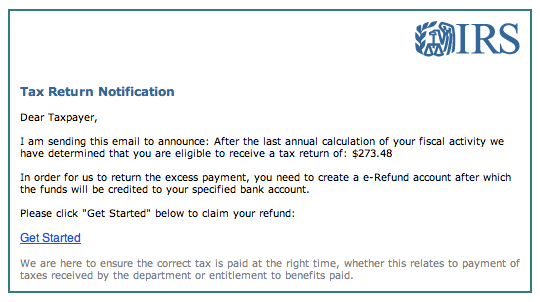
IRS Scams: Frauds of this type come in many forms. Sometimes it’s a phone call saying you owe money or even are due a refund and thankfully, this company has come to your rescues to help you get it back from the evil IRS or keep you out of jail. Sometimes they send email claiming the same or something equally fraudulent. The IRS doesn’t work this way. They will send a physical letter first.
 Get a Free Gift Card or Prize: In order to collect it, you have to give out sensitive information or money. This one takes many forms and may be a phone call or email version exploiting popular and well-known brands. Keep sensitive information private. You shouldn’t have to give out this information for a free prize.
You’re Pre-Qualified for a Loan: And you didn’t even ask for that! In order to get it, just send all of your sensitive data or give it to them on the phone and the money is yours. Except it isn’t. If you didn’t initiate the loan qualification, it’s likely a scam.
Online Purchases: The product you are so excited to get just never arrives. Alternatively, it is nothing like advertised. This risk always exists, so try to use verified online retailers.
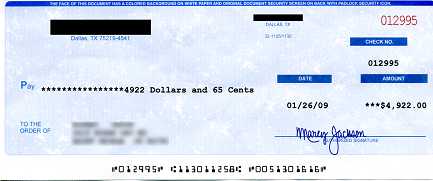
Accidental Overpayment for Items Online: If you sell online, watch for scammers who will send overpayment and request the difference wired back. Typically, they send a bad check, but before you figure it out, the cash is sent. Avoid accepting checks when possible and if you must take them, make sure they clear before issuing any refunds.
For banks and credit unions
Share this article with your members
Copy a ready-made summary and link for your newsletter, website or social posts.