In the New Year, a nice new malware risk slides right in. Fake apps disguised as banking apps steal credentials and can do a number of other very unpleasant things including wiping out the partition data of the device, block phone calls, and intercept text messages to name a few.
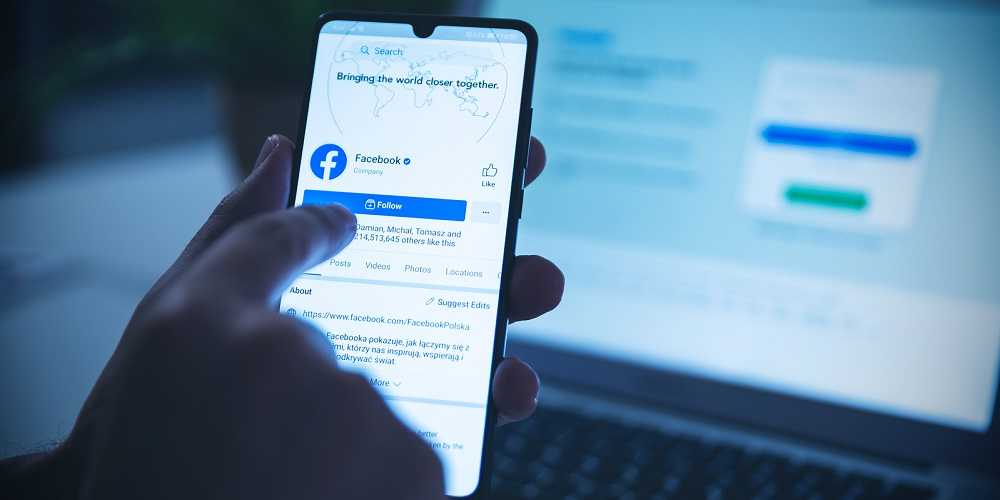
 SlemBunk, as this Trojan is being called, will request permission to run as administrator and often arrives via Facebook’s Messenger application, WhatsApp (owned by Facebook), and others. Once it is given administrator rights, it will lurk in the background and spy and attempt to steal online banking credentials.
If an app asks for administrator rights, you should really question that need. There really are not any that need this access, so be suspicious if one makes such a request.
This one and many other designed to steal credentials, will often ask for you to enter them multiple times. If so, take an extra look to make sure the app is the correct one and not a fake.
 Don’t sideload apps. Make sure you initiate a request to install an app and do so from the official store for your device. This includes, but is not limited to the App Store from Apple, the Google Play Store, and Blackberry App World.
Install and keep anti-malware apps on all devices, including phones and tablets. There are many good ones and some are even at no cost.
Although no versions of SlemBunk have been seen in the Google Play store, make sure to read reviews and do additional research on any app that you download. Be suspicious if there are very few reviews and all of them are glowing, for example. Real reviewers will take the time to make quality points of the good and bad about apps.
A lot of damage can be done when installing malicious apps. It’s worth taking an extra few seconds or even minutes to make sure what gets installed on your devices are actually what you intend to have there.
According to FireEye, 33 apps of financial institutions have been copied to execute this Trojan, which is still evolving and becoming more sophisticated with each iteration. It is being seen in North America, Europe, and in the Asia Pacific thus far. However, no one is immune from it. This malware is primarily is interested in financial credentials. However, it is also interested in user data and will hijack credentials for social media apps, utility apps, and a host of instant messaging apps.
For banks and credit unions
Share this article with your members
Copy a ready-made summary and link for your newsletter, website or social posts.