Generally speaking there are two ways in which hackers and cybercriminals use social engineering to exploit social networks.
1. Attempting to get someone to install software on a computer or phone that will give them access to that device.
2. Gain someone’s trust in order to exploit personal connections and manipulate people through the social network.
 People are the weakest link in cyber security and the savvy hacker will take advantage whenever possible. Following are a few tips to help you avoid becoming a victim of either of these.
- Always use the strongest security settings possible on social media sites. For example, consider if you need to share your location on them. If it really isn’t necessary (and it usually isn’t), deactivate that option. Also be sure to limit who has access to your information. Don’t make it public to the world, but instead make it viewable only to those who are linked to you.
- Don’t post personally identifiable information on social networking sites. This includes your birthdate, phone number, and address. If you want to exchange that information, do it via private messaging or email. Never ever post your social security number or any banking or other financial details, not even through the site’s private messaging or email service.
- If you use your smart phone to post photos to your social networking sites, turn off location services for your camera. This will give away your location. While you may think it isn’t a big deal to share you location, it can be. When you’re on vacation and sharing selfies in front of the Winston Churchill Statue in London but you live in Oregon, it would be a great time for someone to break into your house and steal all kinds of information.
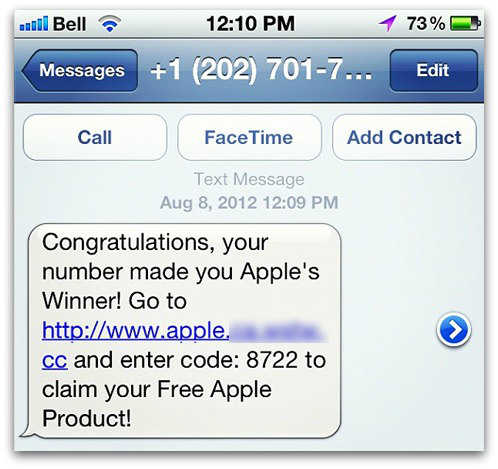 Be aware of unsolicited contact from strangers. Often, scammers will try to get to know you and then scam you. They may use social engineering such as to convince you they need money to help them get out of a bind, but they also may use you to spread malware that can do a number of things; none of them are good. It’s reasonably easy to spoof someone’s email address or name, and often the criminals will do this to try to get your friends, colleagues and other contacts to click malicious links. People are more likely to click a link if they trust the one posting it. Therefore, use caution even when clicking links on social media from those you do know.
- If a deal sounds too good to be true or too fantastic to believe, it probably is. Cybercriminals use popular events and news stories as bait to get people to open infected email, visit infected websites, donate to fake charities, or purchase items that don’t actually exist.
- Clicking on links can be dangerous. After Osama Bin Laden died, a video claiming to show his capture appeared on Facebook. When curious minds clicked on the link to the video, a dialogue popped up telling the users to copy some code into the browser bar. When that was done, the hoax was automatically sent to their friends, ultimately giving the hackers full access to their accounts.
 Change your social networking passwords often. It’s recommended to do it quarterly and when doing so, don’t reuse one that you use on another site; especially one that you use for you financial accounts. Password reuse has been blamed for all kinds of things including the “Naked Celebrity” incident of late 2014.
The bottom line is just to use caution when participating in social networks. They can be fun and useful and are likely here to stay. Just use good judgment and common sense when partaking so you are not the next victim of fraud or identity theft and so you do not put your company at risk unnecessarily.
For banks and credit unions
Share this article with your members
Copy a ready-made summary and link for your newsletter, website or social posts.