Email addresses are not kept secret, as we know. We use them constantly to keep in contact with everyone from Grandma to work colleagues. That means that we can be reached by anyone who wants to reach us, even those who are up to no good. It was recently discovered that a list of more than 250 million email addresses was found up for grabs on the underground including around 40 million from Yahoo, 33 million Hotmail addresses, and another 24 million from Gmail.
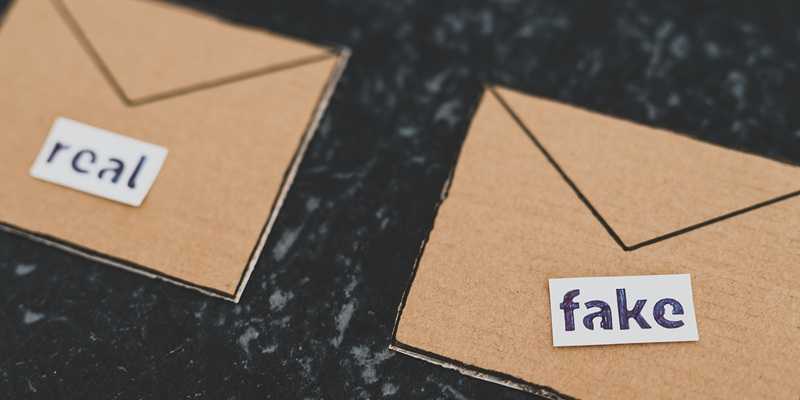
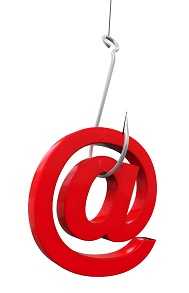 What this means is that phishing attacks will likely increase for all of those whose addresses were included in the collection. Therefore, be on the lookout for these if you have an email address from any of these companies. Best practice is to never click on a link or open an attachment in an unexpected email. Even if the email is from a friend, it is worth verifying your freind sent the email before clicking on anything.
Watch for the following signs of phishing:
- Incorrect use of the language in which the message is written,
- Typos, poor graphics, and logo artwork, old or incorrect logos (look for subtle differences), and punctuation errors such as using a comma where a period should go in currency figures (or vice versa),
- Included links or attachments that you don’t expect to get from anyone, even those you know,
- Subjects that seems strange or are overly-dramatic,
- Messages that attempt to scare you into taking quick action or something will happen to you, such as an account will be closed,
- Links that don’t go to where you’d expect them to when you hover the mouse pointer over them.
 In addition to watching for phishing, you ought to change your email passwords too. In fact, it’s advised by security experts to do this quarterly at a minimum. When choosing passwords, don’t reuse them for multiple online accounts, make sure they are at least eight characters in length, and include numbers, special characters, and upper and lower case letters. Avoid using dictionary words, children’s names, birthdates, or any other information that is easily found in other locations such as social media.
It is unknown how this particular person acquired all these email addresses. Hold Security, the company that discovered this information has told the media that they know it is a “young man” in central Russia. He collected it from various sources and seems to be willing to give it to anyone who is nice to him. Addresses from German and Chinese servers were also included in the collection.
This is the latest in a long list of data that has been stolen in the past year. Data from over 100 million people was stolen from several companies including J.P. Morgan, the Wall Street Journal, music service Spotify, the U.S. Office of Personnel Management, and the FBI.
For banks and credit unions
Share this article with your members
Copy a ready-made summary and link for your newsletter, website or social posts.