If you are one of those computer users who diligently locks your computer every time you walk away from your desk, kudos to you! It’s great and you should continue to do so. However, Jim Stickley of Stickley on Security has now proven that even taking that step is not secure.
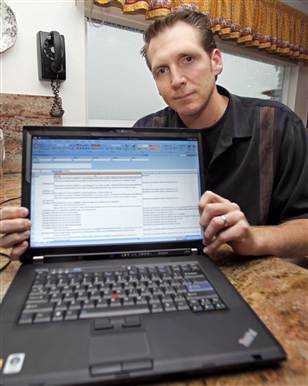 Stickley was able to hack a Windows 10 laptop in 59 seconds. Even though the user had logged out of the machine, by loading up a flash drive with Windows installation software and some malware, he was able to bypass the normal boot-up process of the computer and get the malware installed in just a few seconds. When the login prompt appeared again, it looked normal and the user was none-the-wiser about what happened.
In reality, Stickley merely popped up notepad screen notifying the user, in this case his wife that he had just been on her laptop. However, someone who wished to do something worse, could have done so in the same amount of time.
What this explains is the importance of making sure that every person who comes into an office is supposed to be there. Social engineering one’s way into an office suite is surprisingly simple to do because people generally trust other people. However, not everyone can be or should be trusted. In a work environment, taking the time to get to know who will be in the office is crucial.
 Therefore, having a process in place covering when non-employees are around is an important part of securing the office. Have sign-in sheets, provide escorts for contractors and vendors, and verify that a worker is truly supposed to be there. Escorts should never leave their sides for a second, no matter how sweetly they ask. Because as you now know, a computer can be compromised in less than one minute.
And if you are in the office and see an unfamiliar face roaming around, don’t be afraid to ask who she is or what her business is there. It shouldn’t offend anyone who has a legitimate and approved reason to be in your office. And if she doesn’t, you may prevent a cybercrime just by making eye contact and asking a simple question.
 Stickley only tried this on Windows 10, but because of how the operating system (OS) works, he suspects it will work on any Windows computer. So, even if you are running some other version of the OS, it doesn’t mean you are more secure.
For banks and credit unions
Share this article with your members
Copy a ready-made summary and link for your newsletter, website or social posts.