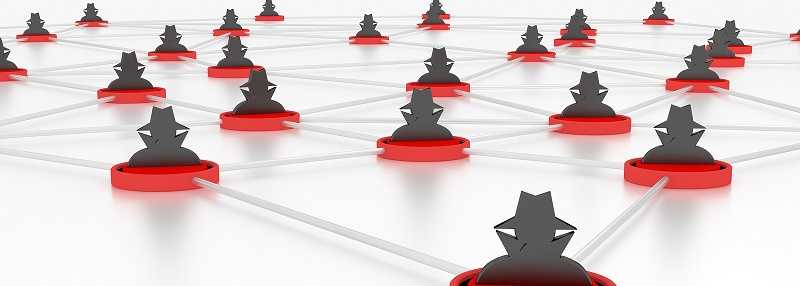
Botnets made great strides in 2016, although they’ve been around for at least a decade causing trouble in the Internet of Things (IoT). While malvertising primarily targeted the United States in 2016, botnets were the problem in Asia. According to the report “2017 State of Malware” by Malwarebytes, in the last half of 2016, 68.5% of the targets for malicious adware were in the U.S. However, the Asian continent was tops for botnets at 61.15% being there.
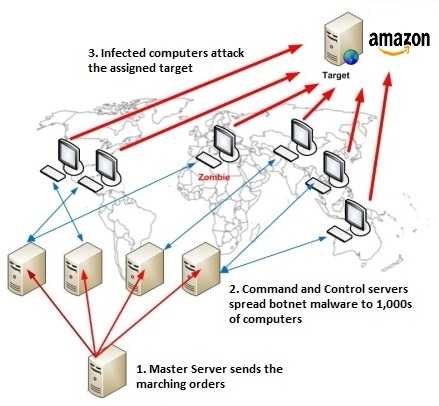 Botnets are networks of private computers that are infected with malicious software and controlled as a group without the computer owners' knowledge. They are sometimes also referred to as zombie armies for this reason. Often they are used to send spam email messages to go phishing. And according to a report by the Russian based Kaspersky Labs, these are the biggest threats to the Internet as opposed to viruses, trojans, or other types of malware.
Because more and more home users have high-speed internet connections, they are more attractive for those who want to use their computers for nefarious activities. Often, home users don’t adequately secure their networks, leaving ports open for anyone to exploit. That’s why even if you have a small home network, it is still important to protect it.
 Do this by making sure the default password on your router is changed as soon as you plug it in. If you never did that, take a moment to do it now. When you do it, avoid making it one of the top 25 worst ones. That means using “default” or “football” is off the table.
In addition, make sure the firmware and all software on home routers is updated. Often, these devices sit on store shelves for quite some time resulting in them being outdated before they even make it to your home. Once it’s plugged in and the default password changed, do a quick check for updates at the manufacturer’s website. They will often walk you through applying those.
Always keep anti-virus and anti-malware software installed and updated on internet-connected devices. While still not as vulnerable in general as Windows operating system computers, Apple still does get targeted successfully, as do other operating systems.
Make sure that when an update notification pops up on your device, you apply it right away. Don’t keep putting it off. Spend a few minutes to get it up-to-date and then continue on with what you were doing.
Finally, invest in some method for creating regular backups of your devices. This could be to the cloud or it could be an external hard drive. These are relatively inexpensive, usually have far more storage space than you need, and are very easy to use.
Making and keeping up good habits when it comes to your computers and internet-connected devices is always going to be worth it. It could really save a lot of headaches in the future and keep your computers and mobile devices from becoming the next members of the walking dead.
For banks and credit unions
Share this article with your members
Copy a ready-made summary and link for your newsletter, website or social posts.