
A California based company that provides equipment and applications to help companies test and maintain their networks released information recently on the on the top threats of 2016. Ixia’s report included several recommended focus areas for network security for 2017. Some of the areas are newer or expanding, but some show that attackers can be successful using the same old tools and techniques that have proven to work for them in the past, including phishing and password reuse.
2
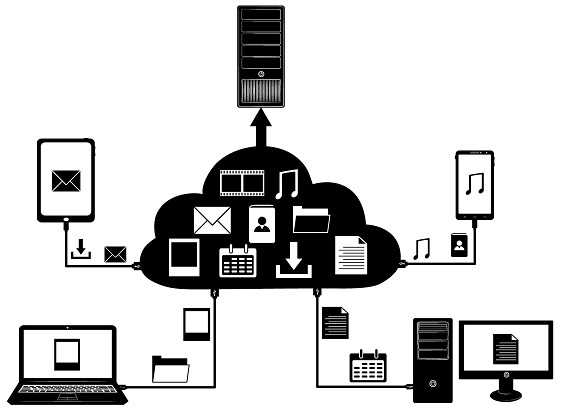 Increasing attack surfaces - Network attack surfaces are expanding. Data resides in many places these days, the complexity and number of tools used within networks and the amount of data traversing a network is dramatically increasing. This means there are more points along which a network can be attacked.
- The Cloud - More information is being stored in the cloud these days. In many cases, this means that third parties are not only responsible for storing the data, but for security it as well. Ixia reported that by 2020, 92% of all workloads are expected to be cloud based. It will be more important in 2017 to ensure whichever companies are storing a given company’s cloud data is also ensure its security.
- Third Parties - Companies are not only increasing the number of products used to maintain networks, but also are also expanding business with third parties. These vendors are now providing security, training, network maintenance, etc. This increases the need for those in the IT group, and particularly management to have hands in a large pile of products and services, making the job more complex.
- Content Management and URI Paths - Content management systems such as WordPress are becoming popular targets for attackers. In fact, WordPress was the top exploited of these in 2016 and it’s not expected to go down in 2017. Joomla was also on the list, but considerably further behind. This shows that attackers will go for the most popularly used products.
2
 The methods used in 2016 showed that not only are attackers becoming more sophisticated with their tricks of the trade, but they are not afraid to use the tried and true methods either. These include taking advantage of decades old vulnerabilities as well as password reuse tactics.
- User Names and Passwords - Each year, the worst passwords of the year list is released by one security company or another. Each year, the same ones are at or near the top, including a popular one for 2016: 123456 or variations of it. Others that Ixia found attempted by attackers were “null,” “ubnt,” “admin,” and “support.” User names that were tried included “admin,” “root,” “ubnt,” “support,” and the ever-original “user.” In many cases the guesses were combinations of these passwords and user names, which are often default combinations that never get changed.
- Malware and Phishing - These tricks never get old for attackers. Both were dominant choices last year, although ransomware spiked in the summer months of June, July, and August. Popular company names were used by the hackers to perpetrate these including Google, Facebook, and PayPal. Fake Adobe updates were the top drive-by attack tool.
Regardless of the type of business you have or the size of it, attacks are real and likely to hit it at some point. Heed the advice of Ixia and others and focus on securing the parts of your network that are the focus of the attacks and ensure that the basics, such as firewalls, antivirus, antimalware, and cybersecurity training are implemented in to the organizations cybersecurity strategy.
For banks and credit unions
Share this article with your members
Copy a ready-made summary and link for your newsletter, website or social posts.