The healthcare landscape seems to be becoming a big target for hackers in 2017. Per a report from Protenus and databreaches.net, the first half of the year looks to be on track to conclude worse for the healthcare industry than 2016; which was already an increase from 2015. In the “Breach Barometer Report: Mid-Year Review,” some interesting information was disclosed to demonstrate how valuable information in this area really is to hackers, stressing why each organization should take steps to protect it.
 Let’s discuss protecting that information first. All companies, regardless of industry or size can follow the same principles:
1. Backup all data to a separate drive or network and keep the backup separate from the primary. Do this regularly. What that means for each individual organization is different. If the information could make a life or death difference, perhaps it’s appropriate to back up more often than some others.
2. Keep all systems patched and updated. Sometimes it is difficult to do this immediately after the patches are released. However, as soon as it is possible, don’t delay. If security-related or critical patches are released, don’t wait until a regular patch schedule, if you have one (and you should). Just get to it right away. Malware often takes advantage of unpatched systems as happened with WannaCry and NotPetya.
3. Discuss threats and prevention methods with everyone that connects to the company’s network. This means employees, staff, students, vendors, consultants, etc. No one should be exempt. Phishing remains a big threat and email filters, no matter how good they may be, still let some of these go through. Training and education is key to preventing successful phishing attacks.
 Let’s get to the stats now.
- In the first half of 2017, there have been 223 healthcare breaches that were reported to Health and Human Services (HHS) or to news outlets. Remember, these are reported. It’s expected that there are many others that were not.
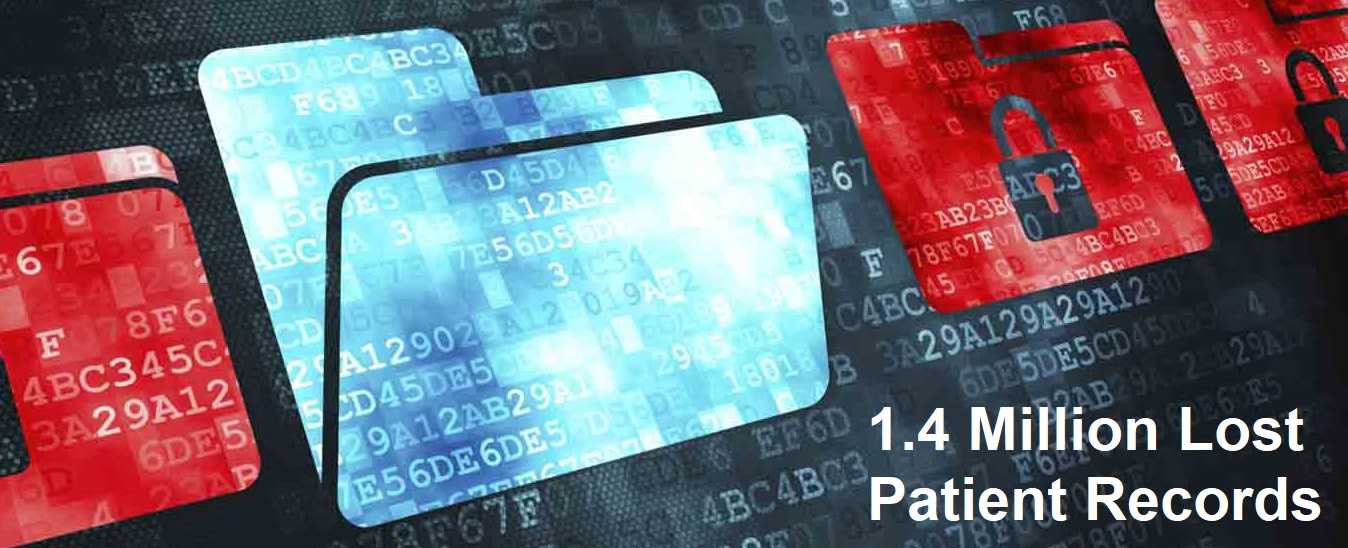
- Those resulted in the unauthorized access of 1.4 million patient records.
- The largest single breach in this data set was a group of patient records stolen by a former employee. That amounted to 697,800 records.
- Insider wrongdoing, as they call it, includes theft or snooping. This type of breach added up to 41% of the total reported breaches so far. This type of breach is on the rise and resulted in the breach of more records than hacking, likely because those employees had a legitimate right to be in the system and therefore, went undetected for a longer time.
- On average, it took 325.6 days to discover a breach and they were reported, on average, to HHS 54.5 days after discovery.
- California experienced the highest number of breaches with Texas a close second. They were 28 and 22 respectively.
- Two key players were involved in many of these: One is TheDarkOverlord, which is a cooperative of bad actors targeting this industry. There is a newer threat actor that claims to exploit remote desktop protocol (RDP) to get into the systems. It’s important that if RDP isn’t needed, administrators disable it.
For banks and credit unions
Share this article with your members
Copy a ready-made summary and link for your newsletter, website or social posts.