When one of the world’s massive social media sites offers an impenetrable way for account holders to regain a forgotten password and/or security question when they don’t have access to their registered email account, what could possibly go wrong?
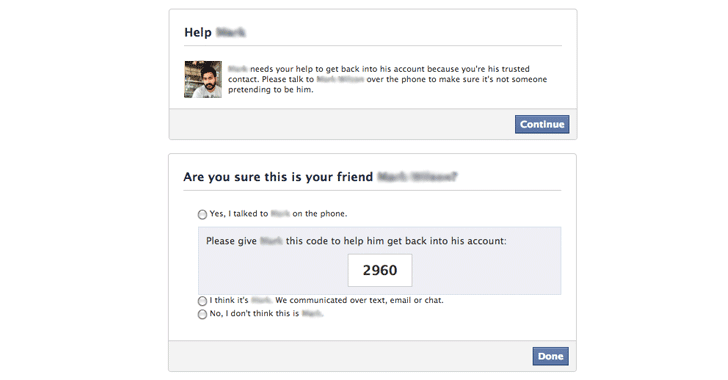
Rest assured the Kings of Spam-a-lot reign supreme. They’ve wormed their way into this “foolproof” way to safely gain access to your Facebook account, or even help a friend with their account. Facebook developed a “Trusted Friend” option to help those locked-out users. What was once a happy idea has twisted tragically against Facebook users.
 According to ACCESSNOW, this is how the Facebook phishing scam plays out:
- You get a message from an attacker on Facebook Messenger, who is using the compromised account of someone on your Friends list.
- The attacker asks for your help recovering his account, explaining that you are listed as one of his Trusted Contacts on Facebook, and tells you that you will receive a code for recovering his account.
- Then the attacker triggers the “I forgot my password” feature for your Facebook account and requests a recovery code.
- In an effort to help, you send the code you’ve just received to your “friend.”
- Using the code, the attacker can now steal your account from you, and use it to victimize other people.
2
 If you receive a message from your friend on Facebook Messenger asking for the code to get back into her account, don’t assume it’s legitimate. A simple phone call to your friend will confirm or deny the request.
- Take the time to verify the email sender, hover over the source, make sure spellings are correct, and never immediately act without thinking and thoroughly vetting the source.
- If you’re suspicious your Facebook account has been hit, go directly to facebook.com/hacked, then click “My Account Is Compromised.” Follow the indicated steps to find your answer.
- Also use Facebook’s Security Checkup tool, which helps fortify your account security settings.
For banks and credit unions
Share this article with your members
Copy a ready-made summary and link for your newsletter, website or social posts.