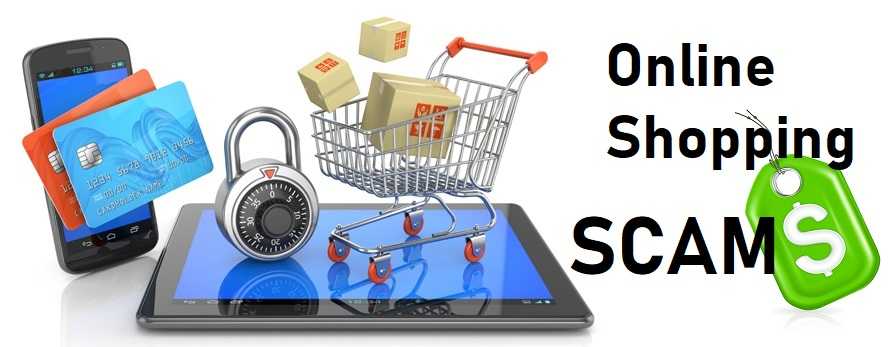
Online shoppers are finding the cost of convenience may add up to much more than they bargained for. Holiday online shopping is heading into high gear and so are cybercriminals. Their opportunities for success abound with good-intentioned shoppers being none-the-wiser. While the Internet is  sizzling with great buys and hard-to-find merchandise, holiday fervor is being eclipsed by cyber swindlers. The popular robot monkey toys, Fingerlings, are particularly popular as a counterfeit toy this season.
Demand for some of the hottest gifts this season is being met with an abundance of knock-offs. If a product comes from a third-party website, beware that you may not get what you ordered. Bogus products that don’t work properly, or at all, may be on their way. If that’s not bad enough, many of the original products are swept up in mass quantities by product pirates looking for trea$ure. They’re then sold on sites like Amazon and eBay at outrageous markups. The Better Business Bureau (BBB) strongly recommends “buyer beware.”
Along with the rise of counterfeit toys, cybersecurity concerns skyrocket. The BBB and cybersecurity firms warn online shoppers to heighten their security as well. Following basic guidelines can prevent a world of hurt to financial and other personal information being pirated. Email scams are rife with success. Check the BBB website https://www.bbb.org for more online shopping tips.
2
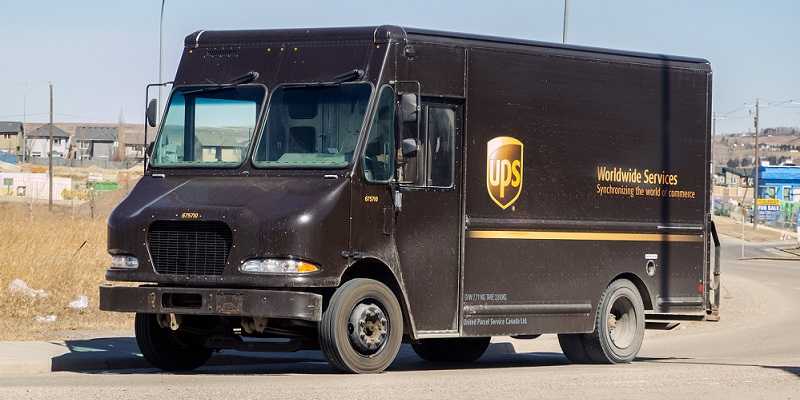
 Don’t respond to emails from shippers with subjects suggesting there’s a problem with shipping or processing your payment. No matter how legitimate it looks, it’s very possibly fake. Cyber crooks are looking to suck you into providing sensitive information by clicking on links and attachments claiming there’s an issue with your delivery, shipment, or purchase. They have even taken to using fake tracking numbers in hopes you’ll fall into the trap. Go directly to the website for the various shippers (FedEx, UPS, Amazon, USPS, etc.) by typing the URL yourself and entering the tracking number, making sure the security signals are in the address bar (lock icon, https://).
2
Emails saying you’ve won a gift card from Amazon or other retailers are a big draw for information thieves. Still other emails may provide a crazy-huge discount coupon or contest win. Clicking on those tempting links and attachments is an open invitation for malware. All manner of problems can ensure a crimp in anyone’s holiday.
The Payment processing company ACI Worldwide has warned retailers of a 30% increase in fraudulent activity this season. This is partially due to the uptick in data breaches, identity theft, and account takeover throughout the year and before. As a final check of the products you purchase, go to the manufacturer’s website and look at the logos and packaging to make sure it matches what you received. If it doesn’t, it could indicate a counterfeit product was sent to you.
For banks and credit unions
Share this article with your members
Copy a ready-made summary and link for your newsletter, website or social posts.