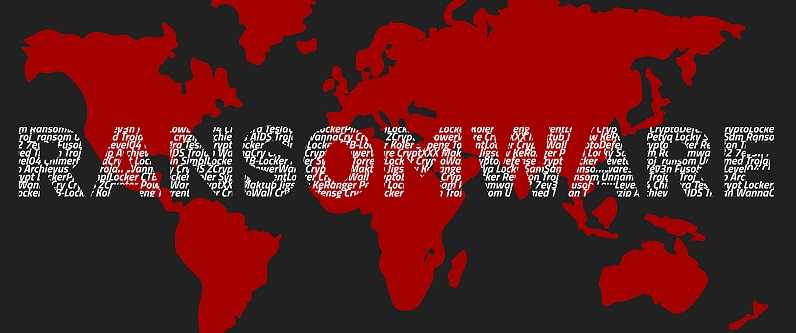
WannaCry. Sounds a bit like the name of little girl’s doll from sometime in the 1950’s. Oh, but how that name has made countless individuals and corporations worldwide fall to their knees and well, WannaCry. And the concern is a growing torrent in epidemic proportions all over the world. It was so newsworthy that an American television drama that takes place in a hospital featured an episode seemingly based on exactly this situation. It’s that, well…dramatic.
 In May of this year, WannaCry struck again, alarming cybersecurity forces globally. The hits were aimed at approximately 300,000 targets in over 150 countries. These latest attacks center on a larger and stronger wallop to critical infrastructure. Some very high-profile businesses such as Britain’s National Health Service and FedEx are just a few of many, too many.
The complexity and sophistication of ransomware is baffling, and it continues to “improve.” The FBI is creating task forces to subdue this blight on technology along with countries the world over. Very recently in Alabama, Alabama County (the largest county in the state) was faced with a very tough situation. Seventy terabytes of information were locked-up and inaccessible to the county. It prevented motor vehicles, licensing, and probate agencies from functioning. Alabama had a week to pay up, or the data would be lost. To the chagrin of security analysts and experts, they paid up.
The FBI does not pay ransom demands, in keeping with the US Government strategy overall. The FBI has created the Internet Crime Complaint Center and set up a website https://www.ic3.gov where companies and individuals can report internet crime complaints. Rest assured the crimes will be taken very seriously. They’ve devised other internet crime units such as National Cyber Investigative Joint Task Force, Cyber Action Team, and iGuardian as well as others.
 The FBI offers everyday users options for keeping us from waking up one day and “WannaCry.”
- Keep your firewall turned on
- Install or update your antivirus software
- Install or update your antispyware technology
- Keep your operating system up to date
- Be careful what you download
- Turn off your computer when not in use
For banks and credit unions
Share this article with your members
Copy a ready-made summary and link for your newsletter, website or social posts.