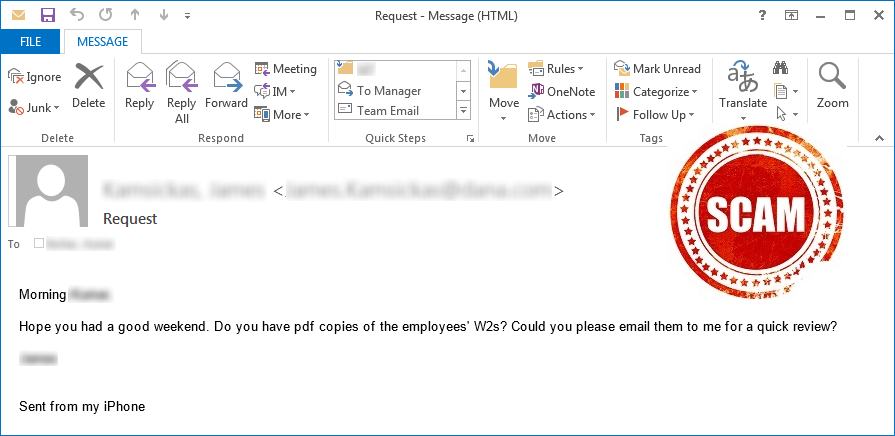
Just when you think there’s a slowdown in the business email compromise scams that are specific to W-2 fraud, the City of Pittsburg gets hit but such a scam. The City is reporting that it was the victim of a phishing attack at the end of January; coincidently the time when W-2 forms are due to be sent to employees per the IRS guidelines. On top of that, the IRS is warning of a significant increase in a tax scam that gives victims a refund, then requests it back.
These types of scams are quite timely around income tax filing time. W-2 forms include details that are valuable on the Dark Web, such as social security numbers. And as of writing, the IRS does not have any safeguards in place to protect those who have had their social security numbers stolen. Unfortunately, after the Equifax toward the end of last year, that’s about half of the residents in the U.S.
 There are a few ways to protect yourself from fraud that can occur when someone uses your social security number.
- Diligently check your credit reports. Request one every four months from a different one of the three major bureaus (Experian, Equifax, TransUnion). That will help you keep better tabs on your credit and potential fraud.
- Next, file your income taxes earlier. The sooner you can do this, the less likely your information will be used to steal your tax refund.
- If there is no need for anyone to access your credit, freeze it. There may be a cost in your state, but it’s usually not too much and is well worth keeping your credit reports out of the hands of someone who wants to open accounts in your name and just not pay the bills.
In the case of Pittsburg, the thief pretended to be an executive and specifically requested W-2 information. If you get such a request, make sure to confirm it via telephone, by paying a personal visit, or by sending a separate text. Don't just reply to the email.
Those who are employed by the city should take advantage of the free identity theft protection services offered to them free for a year as well. While these types of services can't protect from all identity theft, they will help identify it sooner and, in some cases, help the victims put their credit back together.
This happened in one city, but it’s prevalent all over. Don’t dismiss any warning of W-2 fraud. It’s out there and not stopping any time soon.
The IRS is also warning of another scam that involves a “refund” deposited in the victim’s actual bank accounts. Once acquiring sensitive information, such as social security numbers and bank account numbers, they file false returns, have an amount of money deposited into the actual account and then ask for it back.
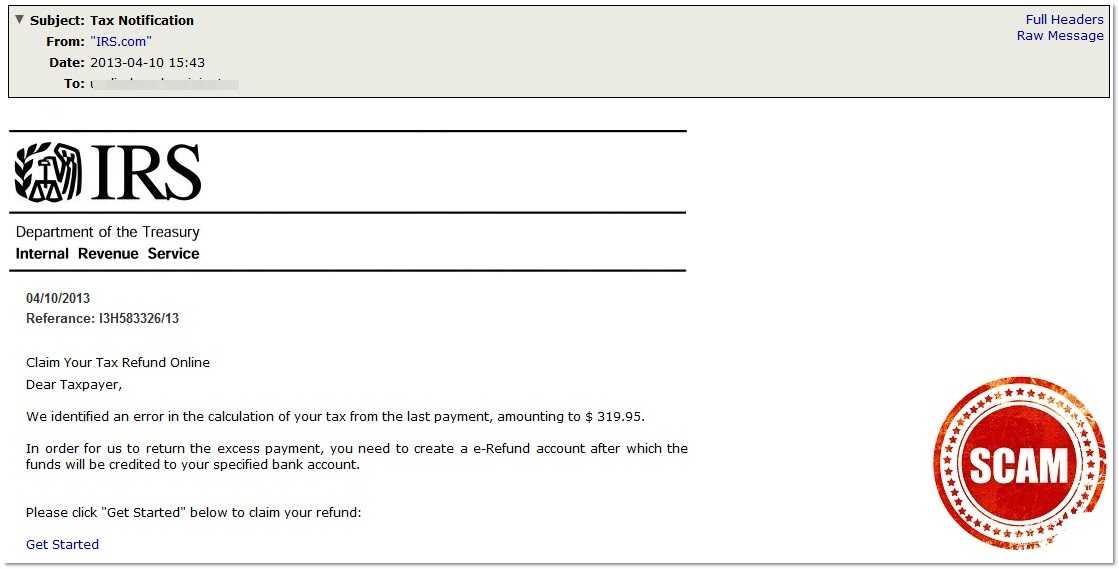
They do this by posing as IRS agents who explain to the victims that it was a mistake, have them return the “refund” to the scammer’s account and then they pocket the money.
 The IRS has detailed instructions on its website for returning mistaken refunds to them. Remember, the IRS will never initiate contact in email, by phone, or in a text message. This will be done using the U.S. Mail.
The agency thinks the information is being stolen from tax preparers. If you are a tax preparer, be sure to take extra security measures to ensure your clients’ information is not stolen and used for tax fraud. In addition, be sure to train your staff on phishing and other security threats.
For banks and credit unions
Share this article with your members
Copy a ready-made summary and link for your newsletter, website or social posts.