Again, a data breach has hit the military and civilians working for it. More than 21,400 people were victims, who had information such as names, addresses, electronic funds transfer and routing account numbers, emergency contact information, truncated social security numbers and truncated payment card numbers accessed by unintended parties when a document stemming from U.S. Marine Corps Forces Reserve was accidently sent to the wrong parties.
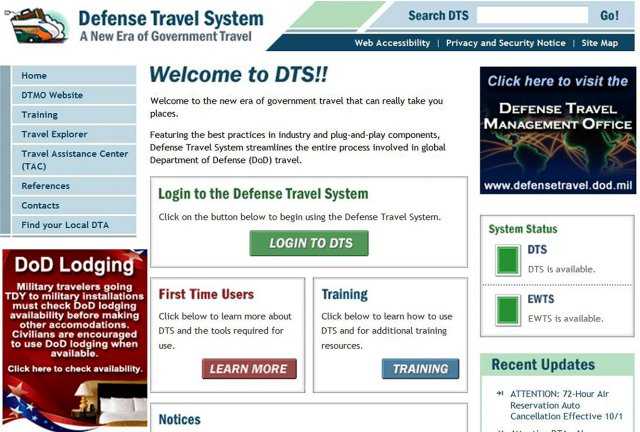 According to a spokesperson, the information was in an email attachment sent by the Defense Travel System that helps those in the military, as well as civilians who work for it with travel itineraries and expenses for official trips in support of the U.S. Marine Forces Reserve. Thankfully, it wasn’t retrieved by hackers or malicious actors, but a roster was emailed to the incorrect emailing list that included some addresses that are unclassified. The spokesperson said that it was quickly noticed and “email recall procedures were implemented to reduce the number of accounts that received it.”
While the quick action may have prevented some people from viewing it that otherwise may not have, the cat was already out of the bag as soon as the sender hit the “send” button. However, of note is that this type of highly sensitive information should never have been sent via email in the first place. Banking and payment card numbers, and even truncated social security numbers are not safe being sent via email. Email should never be considered a secure form of communication.
 Anyone who may have been on this list, which includes Marines, sailors, and civilians should take extra care in monitoring payment card charges for at least the next year. In addition, make sure to check credit reports for potentially fraudulent activity, if you are not already doing so. Instead of getting your free annual credit reports all at once from each of the three major bureaus, spread out when you retrieve them throughout the year so you can check credit activity every four months. This will help you identify potential fraud or identity theft sooner.
As always, watch for additional phishing email messages as well. Even though recall procedures were initiated, it’s nearly impossible to know how far and wide the information spreads. If you are not expecting an attachment or link, don’t click, regardless of who sent it. If you are uncertain to any degree, always make a phone call or send a separate text or email to confirm before clicking. Replying directly is not adequate.
The Marine Corps is notifying those affected and will provide further guidance to them on how to protect themselves from identity theft and fraud.
For banks and credit unions
Share this article with your members
Copy a ready-made summary and link for your newsletter, website or social posts.