Educational institutions and students of all ages are great targets for phishing attacks. A constant barrage of emails throughout the school year create inbox chaos for all involved. Holiday and tax seasons are also ripe for phishing. Figuring out what emails are legitimate is frustrating at best, and many are sent without the recipient requesting them. From the college bookstore to upcoming events, these emails could literally be from anyone. Overworked IT departments and unsuspecting students find it difficult to hash out the genuine from the nefarious. Staff, student or shopper, seasonal phishing is on the rise 217% since 2015.
 Verify Addresses and Links
Always verify email senders and links from a school, even if it ends with “.edu.” Hover over a link to see the URL origin. In addition, a “safe” site begins with ‘https://’ and your browser should show a closed lock icon. Institutional websites with your sensitive data such as student loan departments and banks should be typed directly into the browser and never accessed through hyperlinks or attachments.
 Create a Password Fortress
Having a secure password is critical for cyber safety. A name and password combination create a unique cyber signature for students. Should a student’s email password get hacked, the possibilities for its use are endless. Email addresses are public information provided by a university and are easily obtained by phishers. Always use unique passwords and utilize the maximum amount of characters allowed. Never create a password from information easily gleaned from social media sites as they provide fertile phishing grounds for information grabbers.
 Don’t Keep It to Yourself
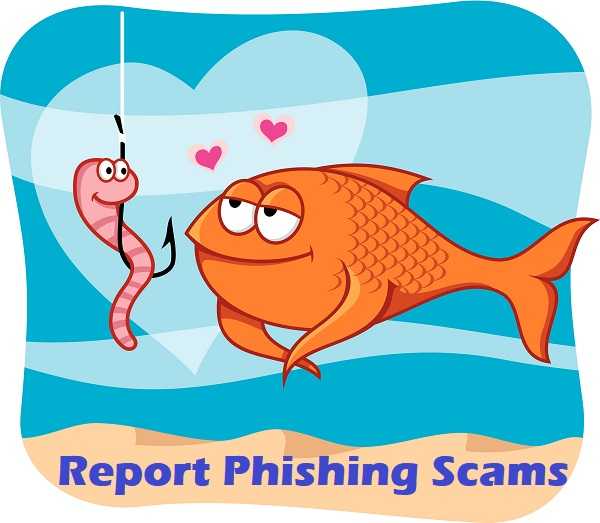
Contact school officials immediately with email phishing concerns. Universities use spam filters, but they’re not foolproof. Email and password vigilance is a sad, but true necessity for students. Stopping phishing attempts sooner rather than later can limit the damage. Alerting schools, banks, and credit providers that something isn’t quite right may very well prevent it from threatening others.
For banks and credit unions
Share this article with your members
Copy a ready-made summary and link for your newsletter, website or social posts.