It is often thought that criminals are not the sharpest sticks in the bunch. And, often they are not. Take, for instance the less than brilliant would-be burglar that broke into a home in Rotherham, England. He had stolen a SIM card from a mobile phone and proceeded to take a selfie using that stolen SIM. He then sent it to someone via the mobile messaging service, WhatsApp. What he failed to realize is that he inadvertently also sent the photo to the SIM owner’s work colleagues. While this person perhaps wasn’t the brightest bulb, cybercriminals often glow a bit more than that. In a recent scam, they are also utilizing WhatsApp.
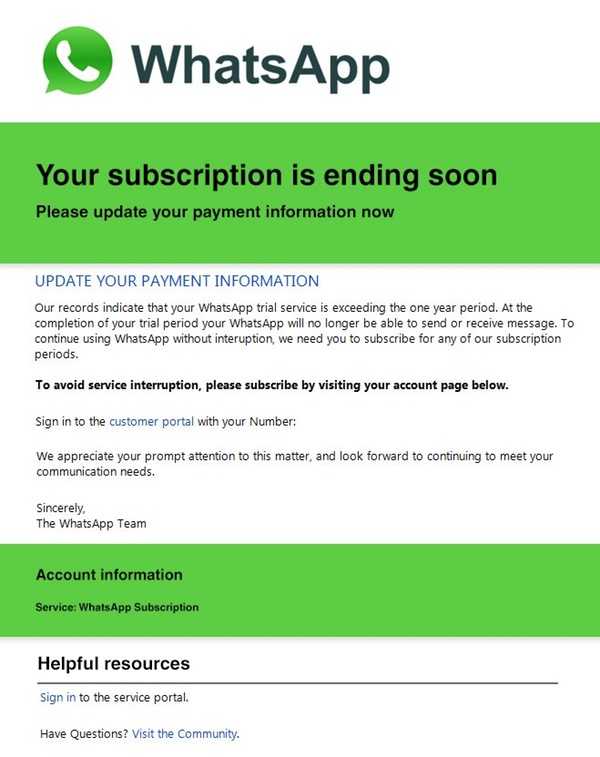
According to those who have seen this scam, WhatsApp users receive an email stating that since they have been using the product for over a year, they are now required to pay for it or they will not receive any more messages. All they have to do is log into a customer portal, conveniently accessed via an enclosed link, with their mobile number. Then in order to “add credibility” to the process, there is a convenient list of FAQs in a “community of users” for reference. Of course the portal and the user community are fake, but those who click it and enter payment card information are duped.
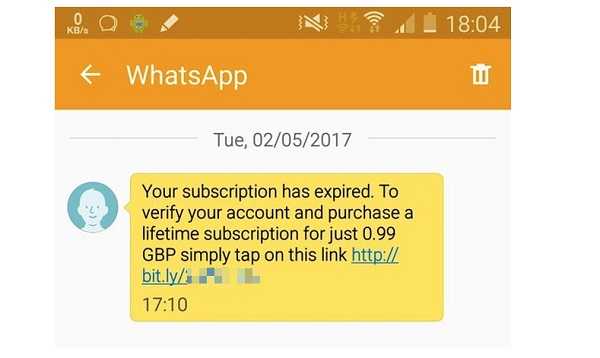
WhatsApp does not charge for its service or the app itself. In 2016, the owners (now Facebook) disclosed that it was ending its charging model and the service was free for everyone.
Be sure to know the terms of the apps you install on all your devices. If you expect the service to be free and suddenly there is notification that it isn’t, do some additional research and find out what is going on. Often, you will discover it’s a scam.
Also make sure to only get your apps from the official stores. While there is not a 100% guarantee they are not malicious, there is a much higher chance that they are trustworthy. Sideloading, or downloading apps from third parties is not recommended. Often, these apps are loaded with malware.
The criminal in the opening example took over $35,700 worth of stuff, but was apprehended, of course. He spent nearly three years behind bars for his stupidity. You can read all about it in the BBC website or at various other sources in the UK.
For banks and credit unions
Share this article with your members
Copy a ready-made summary and link for your newsletter, website or social posts.