Where do you get your concert and event tickets? If it’s Ticketmaster, your payment card information may have been accessed by hackers. Researchers have found what appears to be a massive payment card skimming campaign of Ticketmaster and other e-commerce sites all over the world.
 The company RiskIQ said at least 800 e-commerce sites were part of this operation. According to findings, third-party developed code was altered by some hackers in a group called Magecart. That code was used on many websites, potentially affecting millions on a daily basis who were performing various types of transactions.
It’s not uncommon for website developers to use code from third parties. In fact, it happens all the time for many reasons. It’s a “why re-invent the wheel” sort of thing. If something is good that will meet your needs, and it’s for sale or available for your use, why not buy it if it’s worthwhile? But that comes with risks. You see, if that base code is altered, it affects every other company that uses it and that seems to be what happened here. In this case, it appears that the base code of several companies where targeted too.
Ticketmaster admitted recently that payment card data was compromised for some customers who had entered it into its website. That site was running some code from a customer service support company, Inbenta. Hackers had altered Inbenta’s code. And while it was originally thought only Ticketmaster was affected, and only a few of its sites at that, RiskIQ now says it occurred on a global scale, including on the U.S. site. However a different third-party’s code was running on that one.
So what does this mean? Well, the researchers believe Magecart was running a payment card skimming operation. They infiltrated code of several third-party vendors whose code is used on other sites. It was a very coordinated event. Yet again, expressing how these hacking groups are indeed running as businesses...and being very successful in doing so.
The scale of this is likely to continue to expand and we may never really know how many companies or people were affected. Always keep an eye on your payment card charges, no matter where you use it. Financial institutions have made it very easy to check on your transactions. You can just click the icon on your mobile device, press your finger on the fingerprint reader and they’re there. If you see anything amiss, give that card issuer a call to figure out what is going on. Sometimes, companies just use unfamiliar names on their transaction charges, but you can quickly discover that by placing a call.
Also, many financial institutions allow you to temporarily shut down your card if you suspect the number has been stolen or the card goes missing. Check your app and your financial institution’s website to find out if and how you can do that.
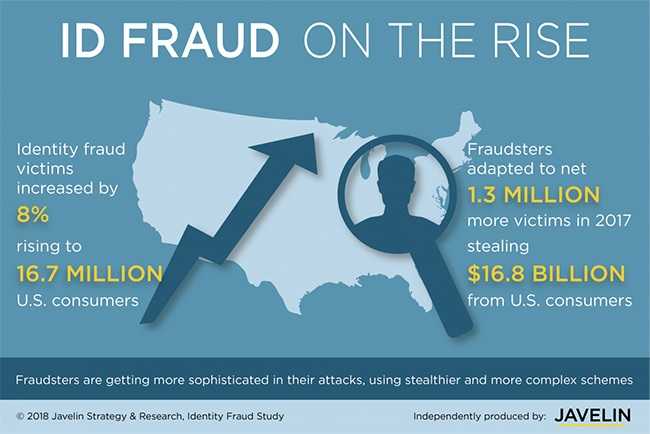
It’s not unrealistic to think your card number will be stolen at some point and used for fraud. But, it’s up to us to keep an eye out and take proactive measures. By doing this, we can save ourselves and our financial organizations money and time.
For banks and credit unions
Share this article with your members
Copy a ready-made summary and link for your newsletter, website or social posts.