Just two months ago, the state of Louisiana declared yet another “state of emergency” after a massive ransomware attack crippled its state agencies and schools. Louisiana Governor John Bel Edwards found himself and his state in a tragically familiar situation. Just months earlier, he had declared the first-ever state of emergency in his state due to a severe “cyber incident” ransomware attack. Five months later, he found himself announcing the same exact message for the same exact reason.
While the Louisiana government worked to free itself from yet another cyber strangle-hold, the stunned state government had to restore its systems to working order for the second time in less than a year. Since the decision was made not to pay the ransom demand, it was up to the state to restore the frozen data themselves. Not paying the ransom meant the state would not receive the decryption key needed to unlock the data, something bad actors promise to hand over after a ransom is paid.
Ransomware assaults on city and state governments hit an all-time high last year, making Louisiana and other states members of a club no one wants to belong to. Barracuda Networks reports more than 70 state and local governments were victims of the malware last year, and two-thirds of reported ransomware attacks targeted U.S. governments.
Also last year, the city of Atlanta faced a crippling ransomware assault that froze city systems including police and transit services. Atlanta spent several millions of dollars to recuperate from the attack, choosing to restore their data and fortify its systems rather than pay the $52,000 ransom demand. U.S. cities are far from the only targets in the crosshairs, as hospitals and educational institutes are increasingly popular ransomware targets. In response to the increase in ransomware against schools, the U.S. Department of Education released an official warning about ransomware attacks in all levels of education.
The decision Louisiana made not to pay the latest ransom was due in large part to Governor Edwards establishing a Cyber Security Commission (CSC) for the state in 2017. It was a decision the FBI wants all of U.S. enterprise to make, believing that paying a ransom demand only encourages bad actors to continue their cybercrimes. Creating the CSC enabled the state agencies to coordinate security efforts, including sharing information and overseeing the response to evolving cybersecurity threats.
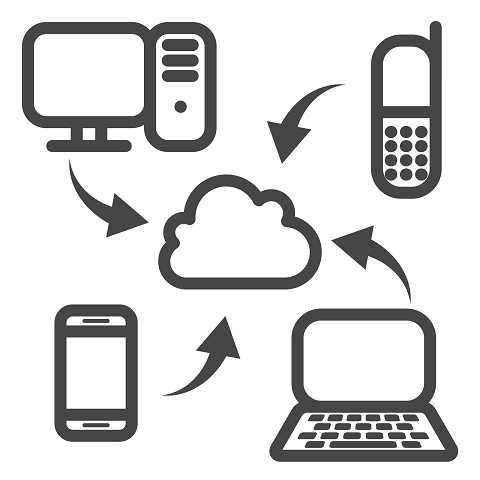 The CSC efforts also enabled a critical source of data protection: backing-up system data. Louisiana was able to deny the ransom demand because of their own ability to replace the data being held captive in the attack. Cybersecurity professionals recommend data backups for any business as part of a prevention plan to survive ransomware. Data backups should also be tested regularly to ensure the restoration process works properly when needed. Louisiana, the state known for Mardi Gras, music, and merriment would agree.
For banks and credit unions
Share this article with your members
Copy a ready-made summary and link for your newsletter, website or social posts.