Constantly in search of new, lucrative opportunities and quick to ditch what’s less profitable, hackers are always looking for new vulnerabilities to exploit. The potential for new malware and new cybercrimes is always present and new hacking trends are a part of that. Comparitech, a pro-consumer website helping users navigate technology, helps shed light on these ever-evolving threats. Based on the changes Comparitech sees today, they suggest what the attack landscape of the near future likely holds in store for us all. Below are some of their observations.
2
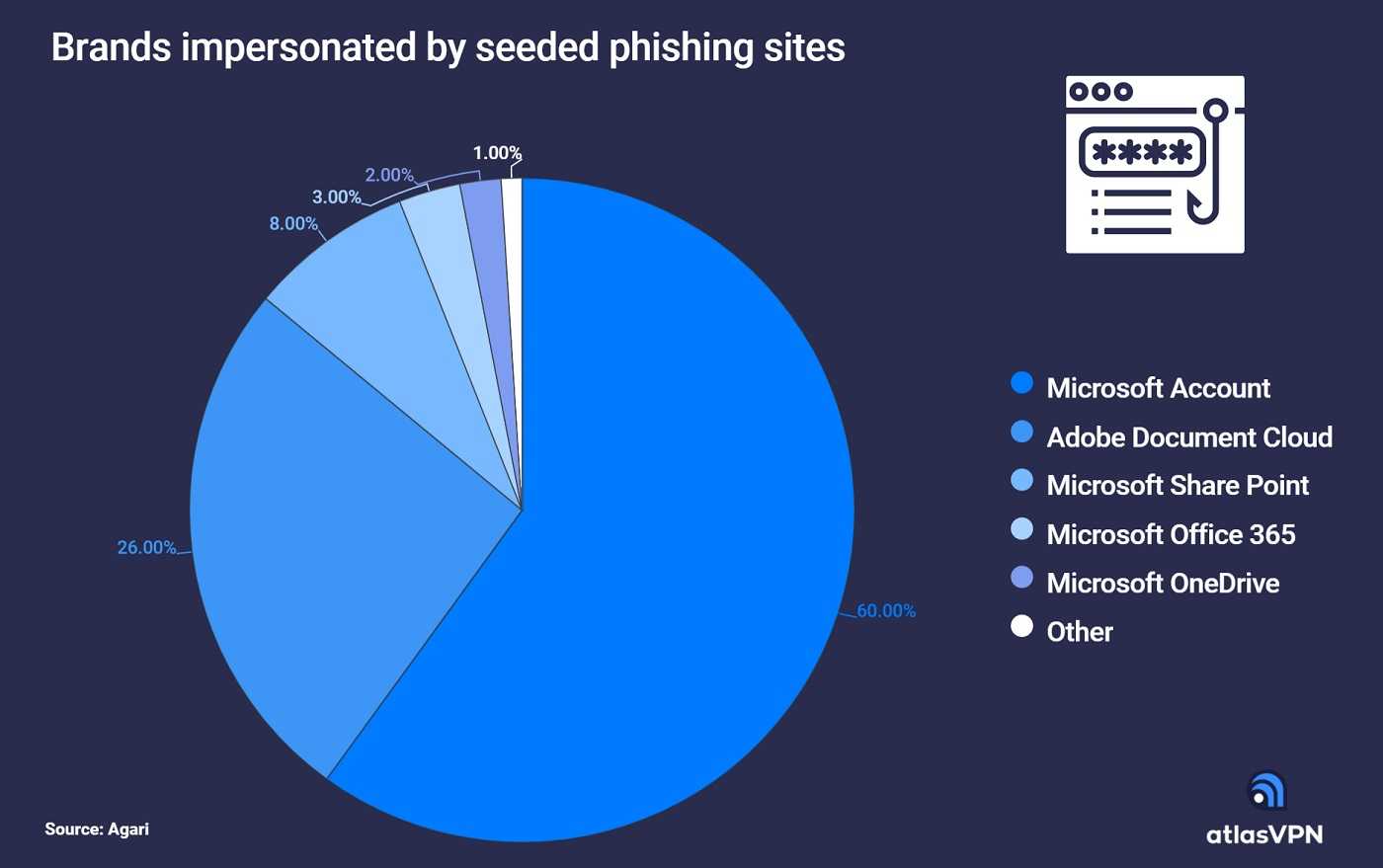
Google’s Transparency Report shows malware-infected website numbers are down to the lowest level since 2007. Phishing websites appear to be replacing malware sites and consumers find they’re getting their PII (personally identifiable information) stolen more often as a result. Google’s Report finds the number of phishing sites are up over 750% since 2007.
2
There’s been an avalanche of new malware variants hackers can exploit. SonicWall found more than 268,000 new malware variants were detected in 2020. To be exact, it totaled 268,362 new, never-before seen variants, an 74% increase over 2019. Seizing on these new variants, bad actors looking for a big, one-time payment from their victims will focus on larger enterprises having more money for ransom and other payments.
2
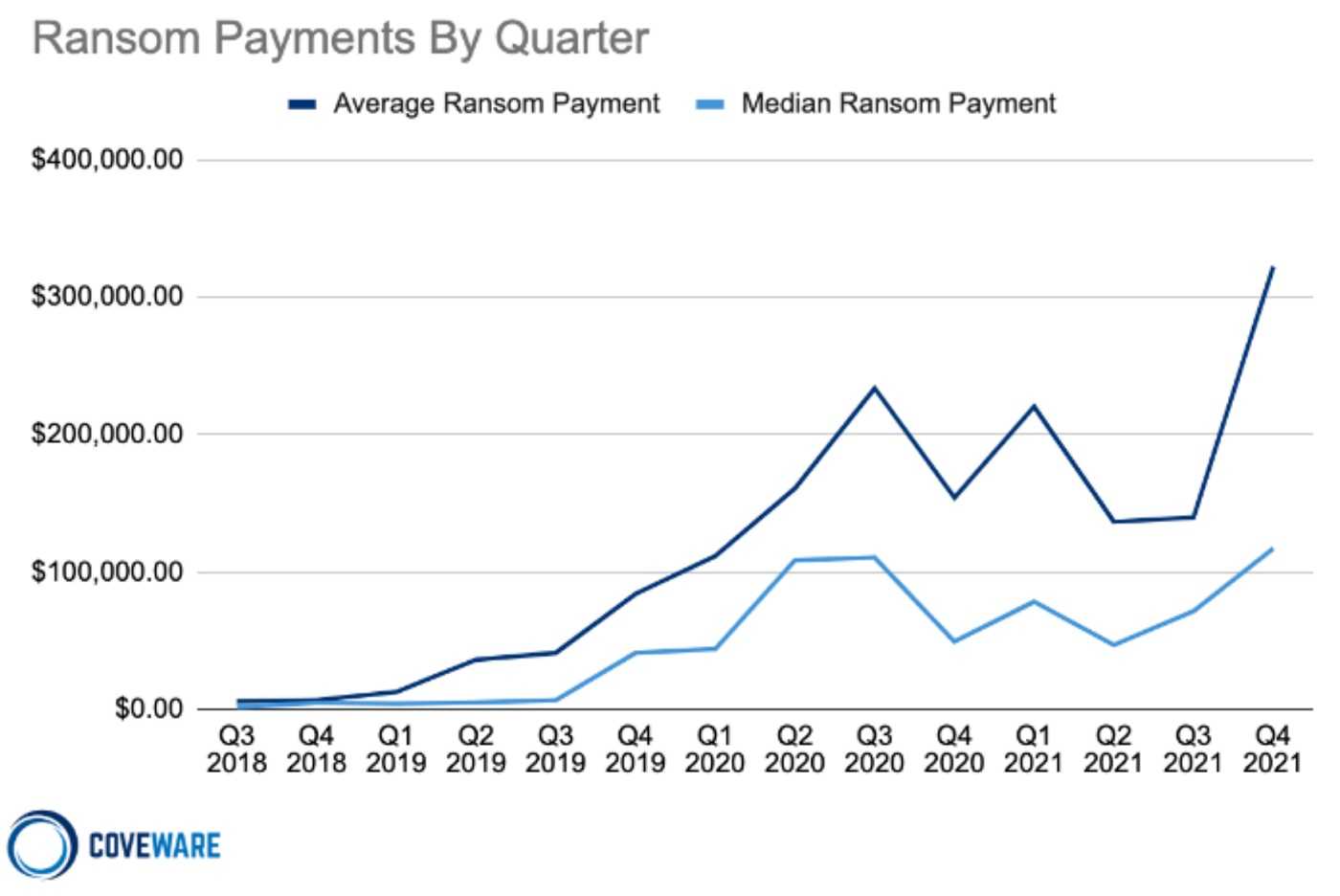
With ransom payments totaling nearly $1 billion per year, these payments are yielding far more than traditional malware attacks. Knowing this, hackers are now upping their ransom demands, hoping huge one-time payments will benefit them more than increased attacks on smaller businesses.
2
Symantec found a hefty rise in “formjacking” crimes. This type of cybercrime allows financial data entered on payment forms to be skimmed and stolen. Comparitech says hackers have changed tactics originally requiring victims to download malware from infected web pages. They now prefer formjacking which doesn’t require file downloads. Comparitech also believes hackers are now looking to more subtle methods of attack, like those against IoT (internet of things) devices.
The cryptojacking threat to IoT devices will grow, in no small part thanks to the growing number of unsecured IoT devices that consumers purchase in ever-increasing numbers
Unauthorized use of another’s device to steal their power for cryptocurrency cryptomining is called cryptojacking. According to Parachute, the second quarter of 2020 saw a 163% spike in cryptojacking compared to the first quarter, totaling 56.8 million IoT attacks that year. Since most IoT devices lack proper security, we’re likely to see attacks against these devices continue to grow.
For banks and credit unions
Share this article with your members
Copy a ready-made summary and link for your newsletter, website or social posts.