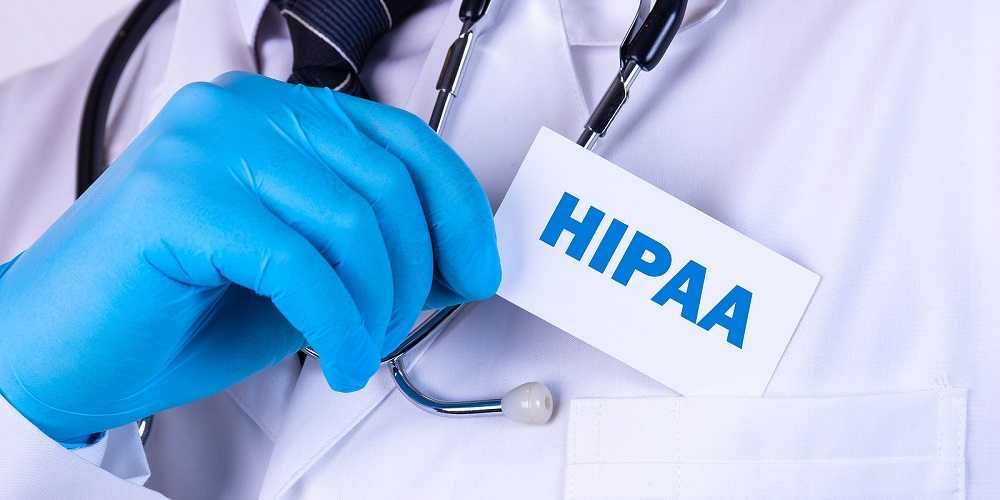
The 2024 HIPAA requirements for healthcare organizations include a focus on patient data privacy and cyber incident preparedness. It's a welcome change with new compliance that all Americans can be happy about, especially when their PHI (protected health information) is better guarded from cybercrime.
2
Among the HIPAA changes is a fortified requirement to cyber-educate employees. Phishing and cyber-awareness are two vital components to avoiding data breaches, and HIPPA is now focusing on the importance of both together. Remember, 90% of all cyberattacks start with a phishing email, and it only takes one employee to take the bait.
Since employees are on the front lines, cyber-education can prevent a massive data breach or malware attack. Training needs to be ongoing since cyberthreats evolve and trend over time, especially when tools like artificial intelligence are available for abuse by cybercriminals. HIPAA now requires employees to be up to date about ongoing threats and how to spot and prevent phishing and other cyberattacks.
2
The way a healthcare organization responds to a cyberattack helps mitigate the damages and at the beginning is alerting those who need to know, including what data may have been compromised. HIPAA stipulates an effective response plan needs to be in place with a team ready to act on many levels. The incident response team plan has an industry standard to follow. That plan includes attack preparation, setting data compromise indicators, a plan to mitigate and recover, and a review of the attack and response to improve upon going forward.
2
Acknowledging that electronic health records (ePHI) are here to stay; HIPAA rules view data privacy and security as the same goal. Protecting patient PHI is in the forefront, a necessary response to improved hacking abilities over time and cybercrime using artificial intelligence. The need for bolstered security practices, patient rights, and improved data handling are no longer on the back burner. Protecting all these concerns will keep all PHI safer from potential cyberattacks to come.
If it’s your role at a healthcare organization to secure information, do more research to find out how to bolster security and implement these rules to keep that data as safe as possible.
For banks and credit unions
Share this article with your members
Copy a ready-made summary and link for your newsletter, website or social posts.