
Fraudsters never really retire. They simply reinvent themselves, trading old disguises for new ones. According to the AARP Fraud Watch Network, several scams are expected to surge in 2026, targeting consumers through job boards, email inboxes, social media, and even video calls. These schemes rely on urgency, fear, and opportunity to trick victims into sending money or revealing sensitive information. But these warning aren’t just for retired people. They apply to everyone.
Here are some of the “red-hot” scams AARP says to watch for this year:
2
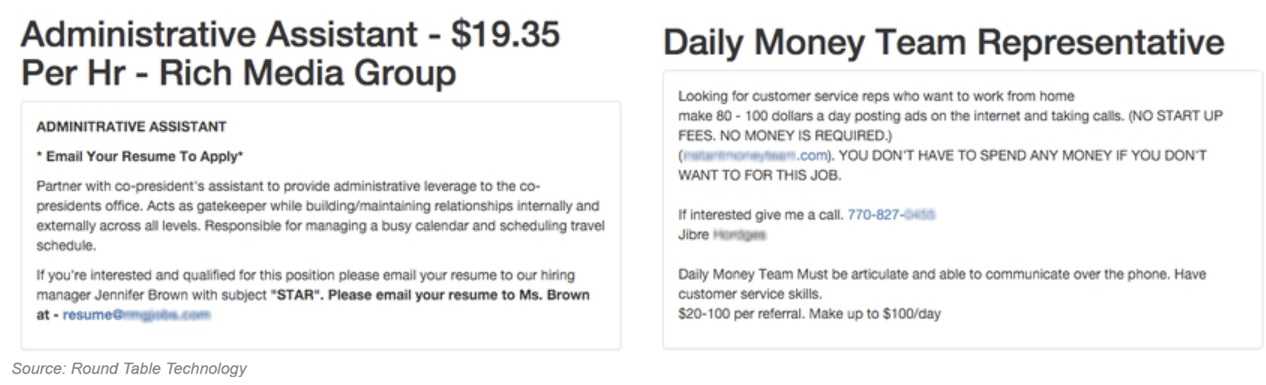
Fake recruiters and job listings promise flexible work or high pay but quickly demand upfront fees, personal information, or equipment purchases. These scams often appear on legitimate job platforms and can target people seeking remote work.
2
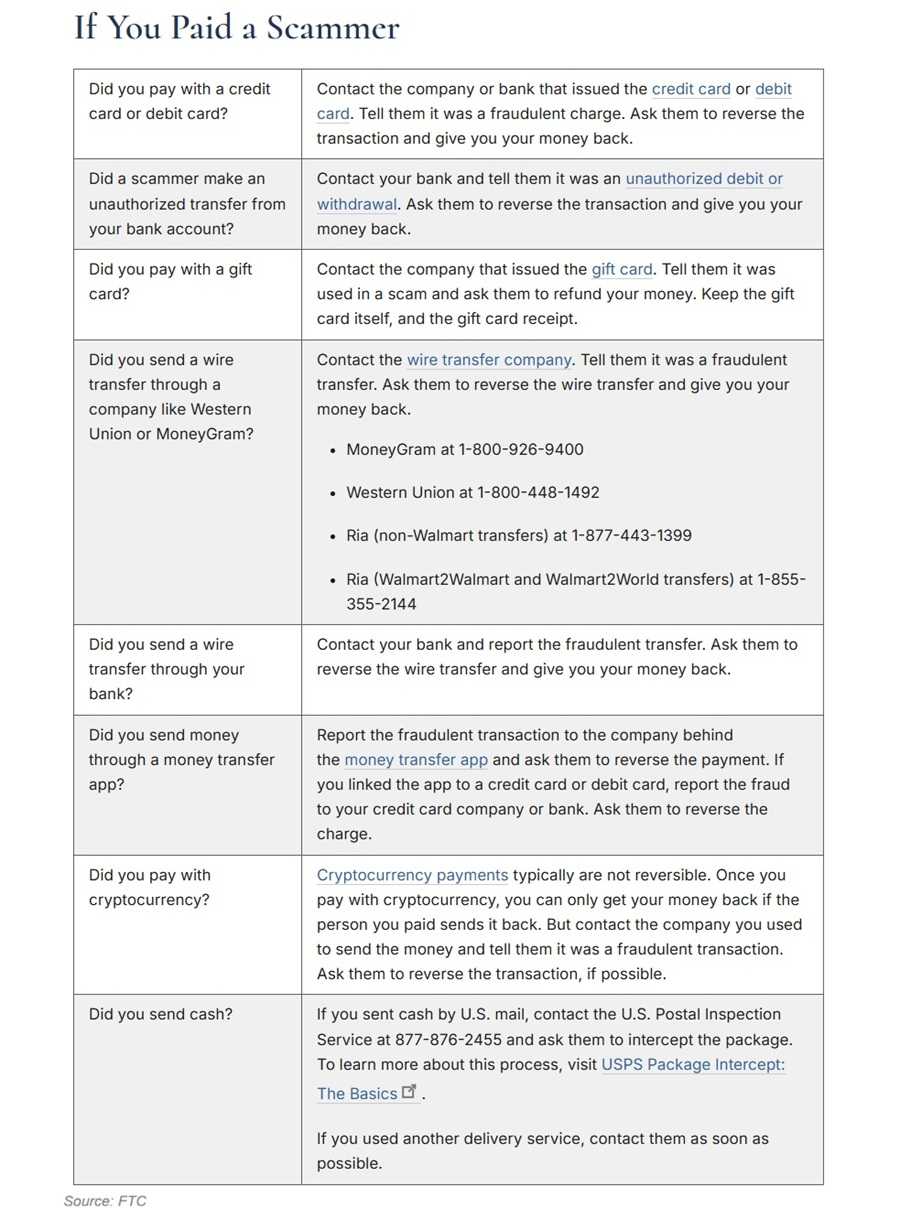
Already lost money to a scam? Criminals sometimes circle back pretending to be investigators, lawyers, or “fraud recovery specialists.” They claim they can retrieve stolen funds, but only if you pay a fee first. Unfortunately, that money disappears too.
2
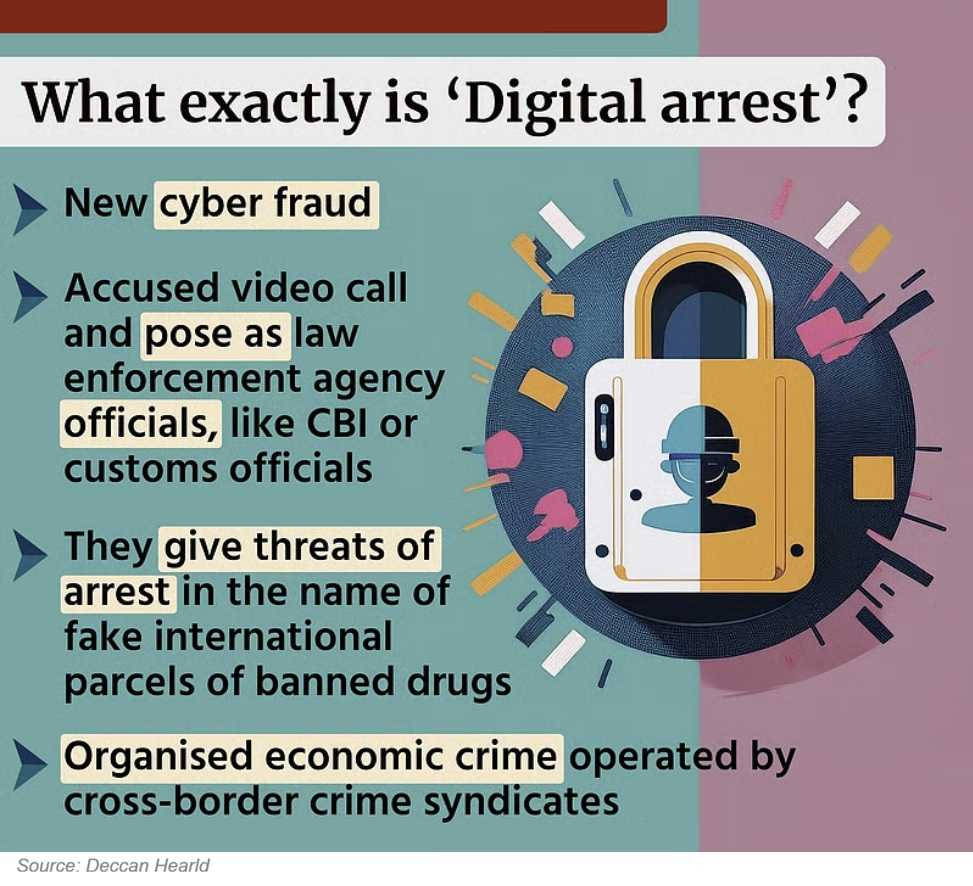
This particularly chilling scheme involves scammers impersonating law enforcement or government officials. Victims are told they are under investigation and must remain on a video call while paying fines or transferring money to avoid arrest. Some victims have been pressured for hours or even days.
2
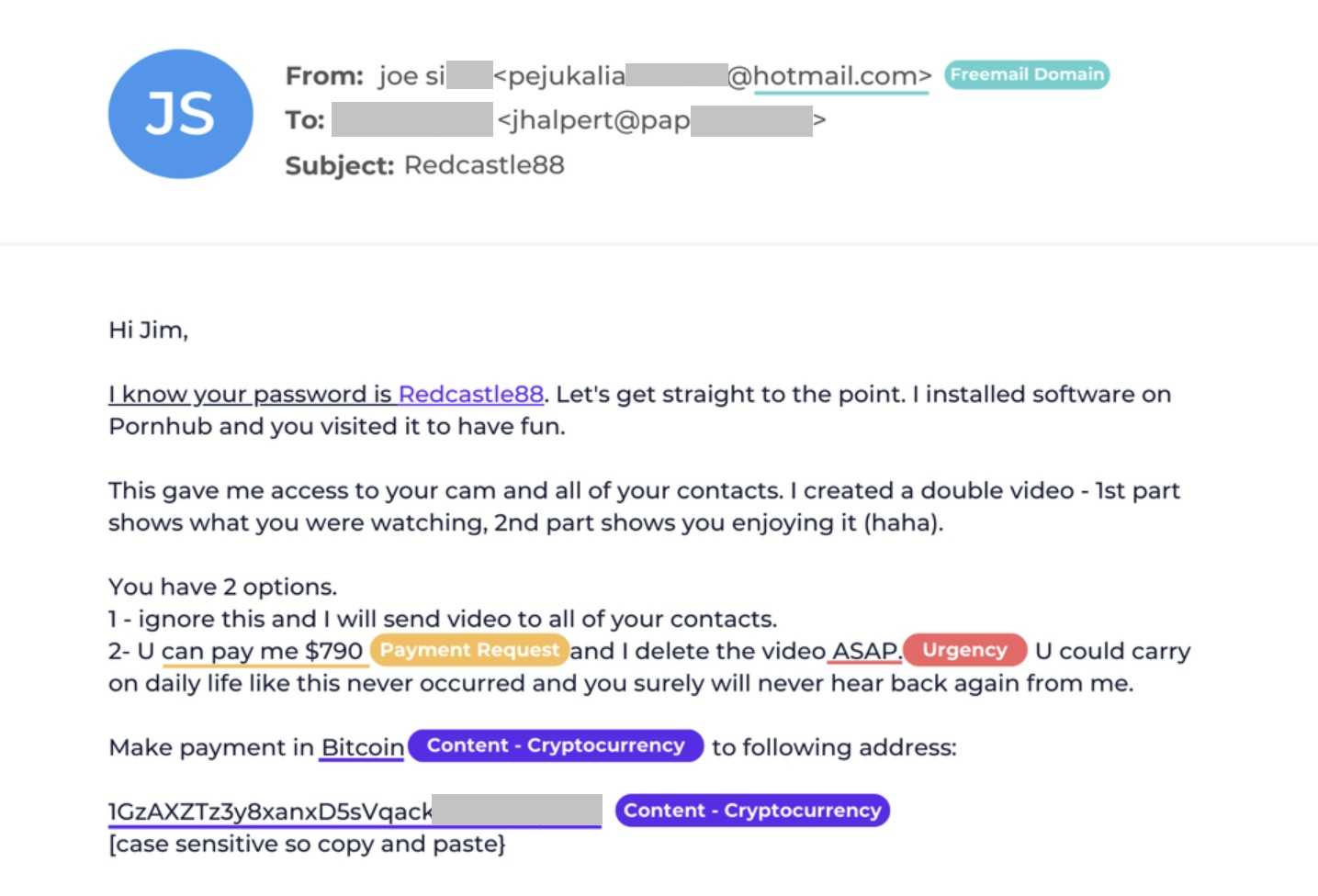
Victims receive threatening messages claiming hackers recorded them through their webcam while viewing explicit content. The email demands cryptocurrency payment to prevent the supposed footage from being shared. In reality, the criminals have no such recording.
2
Online relationships that quickly turn into financial emergencies remain a major problem. Scammers build trust over weeks or months before requesting money for medical bills, travel, or investment opportunities.
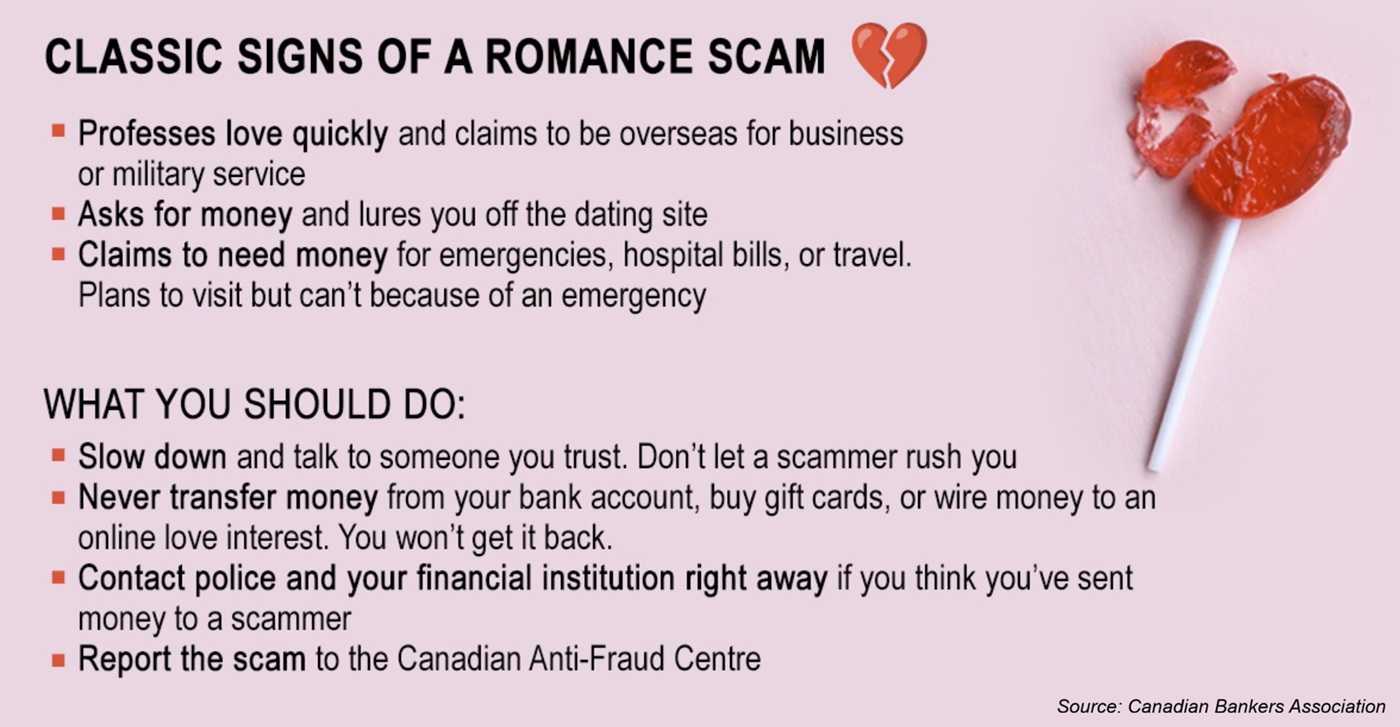
AARP warns that these scams are thriving because criminals blend psychology with technology, using realistic impersonations, emotional manipulation, and convincing digital tools to pressure victims. The organization encourages people to slow down, verify requests independently, and never send money or personal data to someone they cannot confirm is legitimate.
If you suspect fraud, AARP recommends contacting its Fraud Watch Network Helpline or reporting the scam to help protect others. Staying alert remains the best defense against scammers who are always looking for their next target.
For banks and credit unions
Share this article with your members
Copy a ready-made summary and link for your newsletter, website or social posts.