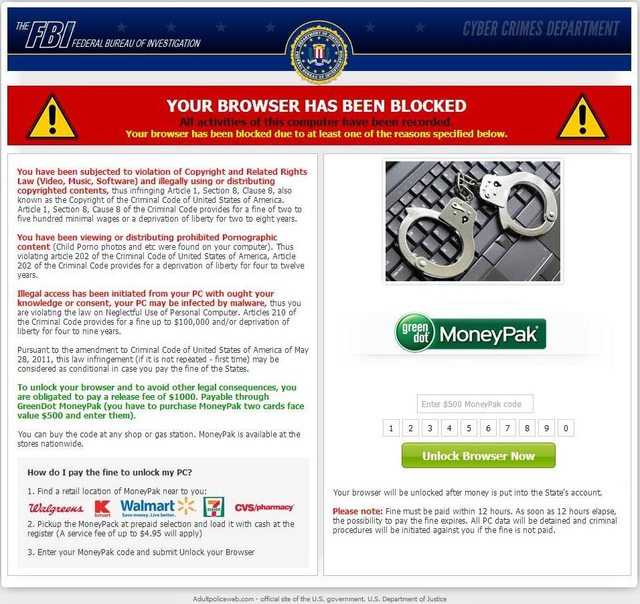
The spreading of ransomware is on the rise according the security researchers. This type of malware uses social engineering tactics to trick users into clicking malicious links or downloading malicious attachments.
In order to help minimize the risk to all types of financial institutions, security expert Jim Stickley advises making it a priority to educate customers and members on how to avoid these types of attacks.
A new version of malware has now emerged and is targeting financial institutions using mobile applications. Svpeng, as its being called, starts doing damage when a banking customer opens an infected mobile site. It employs a two-prong approach to get banking credentials. First it will launch a "fake" site attempting to trick the user into entering the information. If that doesnt work, it will "morph" into ransomware and hold the user hostage until a sum of money is paid.
Malware researcher, Etay Maor with security firm Trusteer has recommended that financial institutions deploy solutions that can detect suspicious activities on their apps and websites. The reality of this is that no matter how much the institutions try to convert all members and users, he admits its not likely all will comply.
Unfortunately, its difficult for businesses to defend against them using technology. Many times a user may merely "drive by" an infected site and execute the malware. Its impossible to block all of those sites that are potentially infected.
Its always good to keep anti-virus applications and patches updated. However, because Svpeng and those like it involve human behavior, the best defense is education, says Stickley.
For banks and credit unions
Share this article with your members
Copy a ready-made summary and link for your newsletter, website or social posts.