In the latest ransomware invasion, as many as 15,000 Android phone users fell prey to having all of their personal data being shared with their contacts. LeakerLocker is the latest malware affecting these phones, but just how did it infect so many devices? Two apps at the Google Play Store were impacted; Wallpapers Blur HD and Booster & Cleaner Pro. McAffee alerted Google to the problem and the two apps were removed. Google is currently investigating how and why this happened.
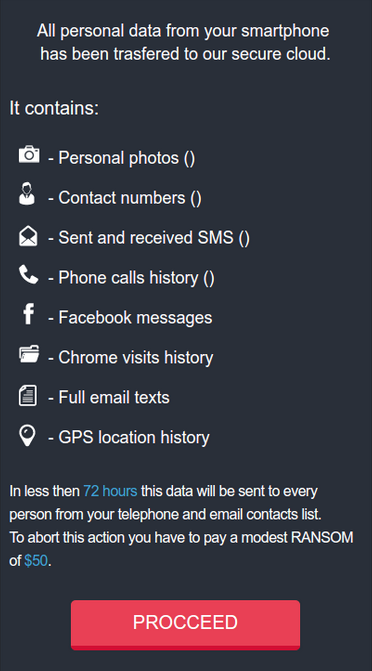 Although there are differing accounts of just how much of your information LeakerLocker can hold ransom, experts agree it can access some contacts, emails, texts, photos, and Chrome browsing traffic. The cost to stop the malware info leaks is a modest $50 to its victims, conveniently payable by credit card. Multiply $50 by 15,000 affected android phone users and you’re looking at a $750,000 heist.
Cyber-smarts are always the best defense way to keep your Android phone and other devices from landing in malware’s heavy hands. Following protective steps reduces the opportunity that LeakerLocker or the next generation of ransomware may have to get its tentacles on your private information.
- Create backups of your devices so the information can be quickly restored if needed.
- Always have anti-malware on your devices and keep it updated.
- Do research and read reviews before downloading any app.
- Only download apps from an official app store. Even though infected apps were from the Google Play Store, unofficial sites are much riskier.
- Apps costing money are just as vulnerable to malware as free apps. So be sure to do research on those too.
Historically, ransomware attacks keep information until victims pay to get it back. Law enforcement, healthcare, and countless other affected industries had to decide to pay up or not for their crucial files. The new hook with LeakerLocker threatens to disseminate your information, not hold it captive. It doesn’t lock up your data like ransomware hits in the past have done, but it holds your privacy hostage by threatening to expose it. It preys on the fear and potential embarrassment of sending your private browser history, photos, and more to loved ones, friends, and other contacts. LeakerLocker distributors believe that $50 is a relatively small price to keep that information from spreading. Maybe so. But that still doesn’t mean you should pay it.
For banks and credit unions
Share this article with your members
Copy a ready-made summary and link for your newsletter, website or social posts.