Why Local Government Hacks Matter to Everyone
By: Jim Stickley and Tina Davis
August 16, 2026
Most cyberattacks don't make national headlines unless they involve a major retailer or social media company, for example. But attacks against local governments can be just as disruptive, especially for the people who depend on county services.
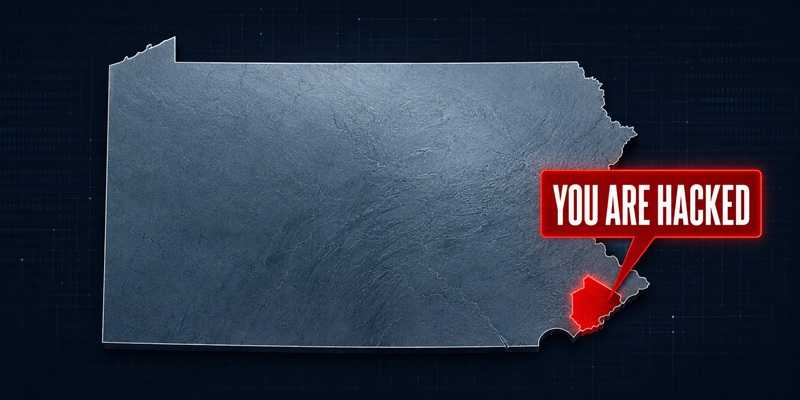
Delaware County, Pennsylvania, recently confirmed that what initially appeared to be a network outage was actually a "sophisticated cybercriminal attack." County officials said they detected unauthorized intrusion attempts on June 26 and immediately shut down parts of their network to help protect sensitive information and critical systems. The shutdown affected numerous county services. Residents experienced interruptions to phone systems, internet access, courthouse operations, library services, and other government functions while IT teams worked to contain the incident and restore operations.
County officials later revealed that the attackers gained limited access to the county's network and some of the data stored within it. If you've recently interacted with Delaware County government, there's no need to panic. However, it is a good idea to stay alert for any official notifications regarding the incident. If the county determines that personal information was exposed, affected residents will be contacted with additional guidance.
In the meantime, be cautious of unexpected emails, phone calls, or text messages claiming to be from the county. Cybercriminals often exploit news about government cyberattacks by sending fake notices designed to steal additional personal information.
Investigators are still determining exactly what information, if any, was compromised and whether affected individuals will need to be notified. At this time, officials say the full scope of the attack remains under investigation.
This incident also serves as a reminder that local governments store an enormous amount of sensitive data, from tax records and court filings to property records and personal identification information. When these systems are disrupted, the effects reach far beyond the IT department. They can delay critical services, inconvenience thousands of residents, and create new opportunities for scammers looking to take advantage of public concern.

 SUBSCRIBE TO WEEKLY NEWSLETTER