In early September in 2011 Southern California was experiencing a heat wave. As residents cranked up their air conditioners, it put significant stress on the power grid. And in the early evening, San Diego and an area that stretched to Arizona and into Mexico suddenly went black. Streetlights went dark. Riders on the train could see nothing but darkness along the route between Orange County and San Diego. Inside high-rise office buildings, one could only see the glow of the emergency exit signs. The trolley system came to a halt. Gas stations closed. Business just stopped. It was quiet in the city. It was almost surreal and at the same time, somewhat eerie. Was it a cyberattack?
 In this case, it was blamed on a botched maintenance procedure. However, keeping the grid safe is on the minds of security experts as well as U.S. government officials. The risk of a cyberattack on our infrastructure is real.
Kiev, Ukraine has dealt with at least two partial blackouts and blamed a cyberattack by the Russian government for one of them. They were able to recover by turning off the computer operations and performing the electricity distribution functions manually.
According to Symantec, it is currently tracking over 100 government backed hacking groups. That number has increased from a mere five just a few years ago. Sometimes the goal is to do immediate damage, but at other times, according to Liam O’Murchu, Symantec’s Director of Security Research they just want to open up a backdoor into the system and come back to it later.
Those who operate the grid system are taking action to make sure they not only prevent the attacks, but that there are also contingency plans in place in case a cyberattack does occur. They are sharing information with each other and with government officials. And the Government Accountability Office (GAO) has found more than two-dozen efforts in place by the government to increase grid reliability. In addition, the private companies that run the systems throughout the U.S. are pursuing the capability to implement manual procedures so they will be prepared for a similar incident to what happened in Ukraine.
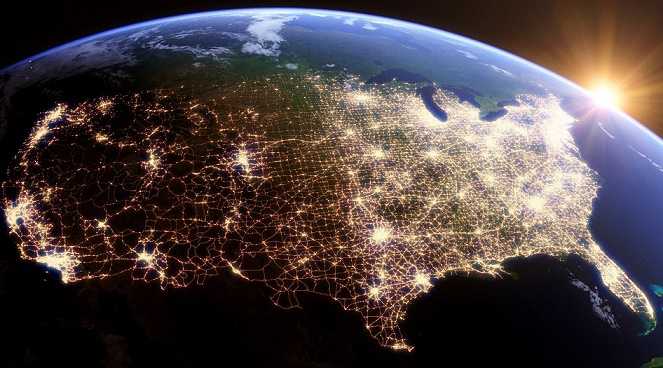
Eleven hours passed before power was restored to all customers in what is sometimes called the “Great Blackout of 2011” in San Diego. During that time, the streets were empty of vehicles. Faint voices wafted in the breeze as people went outside and conversed. Television screens were black and soundless. Candle flames flickered in the windows of homes. At the time, it was peaceful. However, it was a reminder of the significant part the power grid plays in our daily lives and why keeping our infrastructure secure from a cyberattack may be becoming more important.
For banks and credit unions
Share this article with your members
Copy a ready-made summary and link for your newsletter, website or social posts.