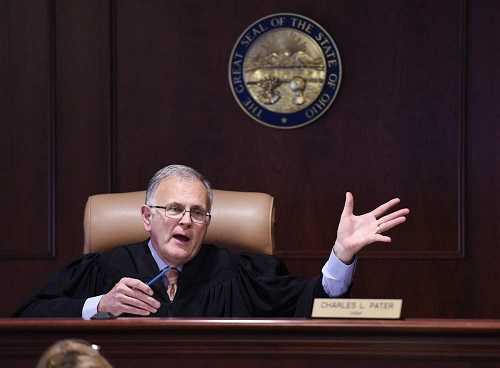
A case of electronic data vs. criminality came before the courts last month and some may consider it the most private of data. It is not from within a corporate network or from someone’s home, either. In July, an Ohio judge ruled a defendant’s pacemaker activity would be allowed into evidence at his trial. Judge Charles Pater, a Butler County, Ohio judge, ruled Ross Compton’s heart pacemaker data allowable in court, showing activity levels during his alleged crime.
 What crime could convince a judge to allow recorded heartbeat data as evidence? Compton, 59, is accused of aggravated arson and subsequent insurance fraud regarding a fire at his home.
Compton claims he woke up to the fire, packed a few suitcases with possessions, and broke a window, throwing both his bags and himself to safety. Unfortunately for Compton, the police had already obtained a warrant for his pacemaker data. A cardiologist determined that the data showed no expected jump in heart rate to support Compton’s own explanation of events. Judge Pater ruled this potentially incriminating data be allowed in trial as evidence.
As medical device manufacturers and other entities switch from paper to electronic data, the availability of and access to personal information eclipses anything this world has ever seen; whether it’s retrieved as the result of a warrant or due to a data breach. In this case, the question is whether or not the heart rate of the suspect substantiated the claim. Previously, Apple protested a request from authorities to hack a suspected terrorist’s iPhone in California, Amazon tried to keep Echo device data private in an Arkansas murder case, and an individual in Ohio fought to keep his pacemaker data out of court. Some say it’s a serious blow for our First Amendment rights to privacy. Our data is becoming less sacred and safe.
New legislation allowing private electronic data as evidence is cropping up as increasing requests come from law enforcement for its release. For now, many of these disputes are being dealt with on an individual basis.
Many argue this scarcity may lead to a point of no return for privacy rights. They wonder where the legal line, if any, will be drawn? Another question may be, if incriminating data is retrieved due to unauthorized access, is it allowable as evidence in court?
In this particular case, it was Judge Pater’s view of his pacemaker data as “…just not that big of a deal.” At the very least, Compton and his lawyer don’t see it that way.
For banks and credit unions
Share this article with your members
Copy a ready-made summary and link for your newsletter, website or social posts.