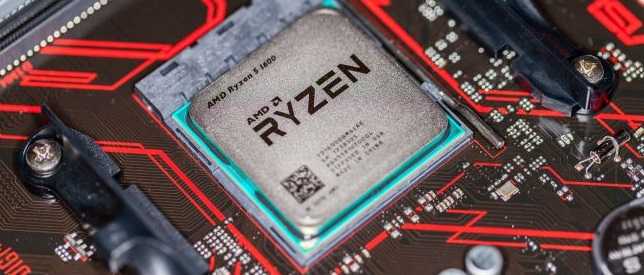
Inside your computer, all computing devices, are chips. In some cases, there are hundreds of them. They all have different functions and work together to make the device function. Advanced Micro Devices (AMD) makes such chips and those can be found in a plethora of products. Recently an Israeli-based firm disclosed that it found some issues with how the AMD chips work with respect to the embedded security control processor (AMD Secure Processor) in some products.
 Don’t despair however. AMD is already working on the issues, referred to as Masterkey, Ryzenfall, Fallout, and Chimera, and promises to correct them through a BIOS update in the near future. Once they are released, it’s advised that they all get applied right away. Often, all you need to do is shut down the computer completely and restart it. However, if your equipment is set up differently, make sure you address the updates as soon as you are notified of them.
The vulnerabilities could allow a hacker to bypass security features, steal data, assist malware functionality, and damage the hardware. Although in order to do this, the person would need administrative access. Most organizations should not allow full administrator rights to those who don’t need it. This is something that provides unrestricted access to delete, modify, or create files on a computer as well as change the settings. This access should be restricted to those who definitely need it and to no one else.
 Individuals with AMD chips in their computers are also at risk, however. In the meantime (and always), be sure to watch out for any phishing attempts. If you are not expecting a link or attachment in an email, don’t click on it. Even if you are, perhaps just take an extra moment to call the sender and confirm the legitimacy of the link or attachment before clicking on it. That may save you a lot of frustration. These days, it’s getting nearly impossible to detect phishing, so always be on guard for these attacks.
Some are comparing these vulnerabilities to the recent ones Meltdown and Spectre which also affected Intel chips, ARM, and others. However, other researchers believe this is different. That’s because these four mostly affect the AMD Secure Processor technology as opposed to the actual hardware, as did Meltdown and Spectre.
For banks and credit unions
Share this article with your members
Copy a ready-made summary and link for your newsletter, website or social posts.