The number of mobile apps available to consumers is on a roll. Currently, it’s 2.2 million of them on Apple’s App Store and 2.8 million for Google’s Play Store. That’s an incredible 5 million apps combined, and they keep on coming. That might be a good thing for app fans and developers, but a recent finding puts that good news in serious jeopardy. A study found that over 4 million of these are giving your personal information away. Researchers found most of them allow identity data such as name, address, date of birth, income, and location to be shared. It’s no secret that cybercriminals are waiting to intercept the data, always finding ways to exploit it…and you.
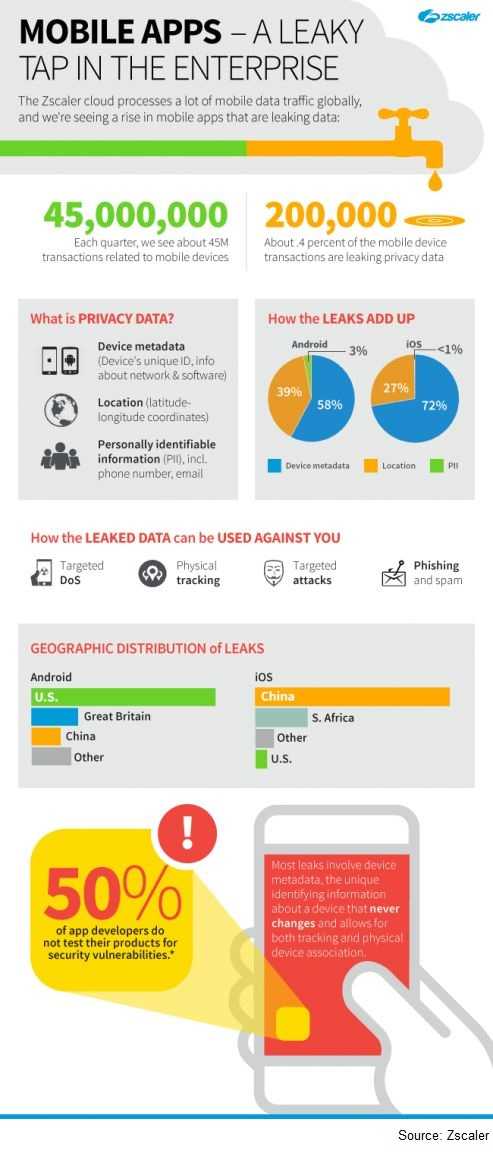 The personal information up for grabs is a result of something called Software Development Kits (SDK’s). These allow app builders to share your private information through third-party SDK’s, in most cases for advertising purposes. Online advertisers use the data to pinpoint ads to specific target markets, a very important part of advertising. An intrusion into your personal business may be bad enough, but knowing that data can be hijacked by cybercriminals only ratchets-up the concern.
Information intercepts are used and modified by cybercriminals. It’s not a big leap for hackers getting your data to dig further and expose your data to identity theft, blackmail, and who really knows what else? Once an SDK gives out your data, malicious ads and trojan apps may be on the way. They tempt and trick users to download them, putting your data up for grabs. According to a security researcher at Kaspersky Labs “Millions of applications include third party SDKs, exposing private data that can be easily intercepted and modified – leading to malware infections, blackmail, and other highly effective attack vectors on your devices.” He goes on to say, “Malicious apps not only steal user data but expose it to the Internet making it available for others to exploit and sell.”
A healthy app aptitude is an important part of using all those great apps responsibly. Since app developers are readily using SDK’s, it’s currently up to consumers to protect themselves. Public Wi-Fi use has long been a risky prospect and a playground for cybercrime. It’s important to remember that although free Wi-Fi is convenient, it isn’t at all safe. Using cell data or simply waiting until you have a secured connection before you toss your data onto an app is a smart choice. When installing apps, don’t sideload from risky third-party websites – you never know where that app has been! Although apps always ask permission for your data, granting it could send unsecured data to advertisers and hackers. The more permissions an app requests the more your data gets out there, so choose your apps very wisely.
For banks and credit unions
Share this article with your members
Copy a ready-made summary and link for your newsletter, website or social posts.